

The smell arrives next: dense, plastic-like and impossible to ignore. It settles into the curtains, sofa and even your jumper, like an unwelcome visitor with no intention of leaving.
At dusk, I saw a couple walk into the newly painted lounge of their Leeds terraced house. The walls were gleaming, the carpet was covered and the windows were only slightly ajar. A sweet, chemical sting filled the room, catching in the nose and making their eyes flicker. One lit a candle; the other reached for a biscuit tin, as though a snack might overpower the fumes. They laughed, pulled faces, then did what most people do: blamed the paint tin, the weather or plain bad luck. The baby monitor crackled from the kitchen. They exchanged a look, threw the windows fully open, and the evening shifted from cosy to clinical. Paint smells for a reason-and it is a strange one.
What causes that fresh paint smell?
The scent of newly applied paint is more than simply the feeling of a refreshed room. It is a mix of volatile organic compounds, or VOCs, evaporating into the air while the paint cures. Even water-based emulsions may give off aldehydes and coalescing solvents. Oil-based gloss paints introduce heavier solvents that remain in the air for longer. That sweet scent is often caused by aldehydes, while the harsher edge comes from amines that help the paint form an even film. Together, they create that instantly recognisable smell.
Most of us have experienced a DIY afternoon becoming a night spent flinging open every window. A friend once finished painting at 10pm, delighted with the result, only to spend the next three hours repositioning fans like turntables in an effort to beat the smell. It was January. Wearing a coat indoors and drinking tea in gloves, he relied on cold air coming in and warm air going out as his only real solution. He ended up sleeping in the hallway. The walls were fresh, but the air was not.
The science is straightforward: as paint dries and its film develops, VOCs escape from the liquid as vapour. Heat accelerates the process, so a sunny room may smell more intensely for less time, whereas cold, damp conditions prolong it. Without proper ventilation, vapours gather in corners and settle into fabrics, explaining why curtains and cushions appear to hold on to the odour. Formulations also release gases at different speeds. A current low-VOC emulsion may contain under 30–50 g/L, whereas older oil-based paints can reach the hundreds. The more vapour that remains trapped, the more noticeable the smell becomes.
The onion hack: clearing fresh paint odour more quickly
The internet's best-known remedy is surprisingly basic: onions. Take two or three large onions, peel and halve them, then lightly score each cut face in a criss-cross pattern. Put the halves cut-side up on saucers around the freshly painted room: one by the door, another near the window and one in the middle. Leave them there overnight while maintaining a gentle through-draught. Change them after 12–24 hours. They will look rather sorry for themselves by morning, but the room should smell improved.
Why use onions? Their sulphur compounds are released into the air and interact with odours, particularly aldehydes, reducing that sweet chemical sharpness. This is neither magic nor merely an attempt to mask the smell. It is closer to balancing an overly noisy room: less treble, more neutrality. There is one drawback: for several hours, you may detect a mild onion smell. It soon disappears and is far kinder than a plastic haze at the back of your throat. Keep onions out of reach of inquisitive pets and toddlers. Leave windows slightly open, too. Fresh air should do most of the work.
A few easy mistakes can make any odour remedy seem ineffective. Do not place every onion in the same corner; spread them around so they contact more of the air. Do not close the door and expect a miracle, because movement is essential. Above all, do not neglect the basics: cross-ventilation outperforms every trick. Realistically, nobody manages that every day. Even so, placing one fan to blow out through a window and another to draw fresh air gently in through a doorway can halve the time the smell lasts.
“The onion trick won’t replace ventilation, but it can turn a sharp, scratchy room into one you can actually sit in while the paint finishes curing.”
- Use 2–3 large onions for a standard bedroom; use 4–6 for a large lounge.
- Replace the halves every 12–24 hours until the odour eases.
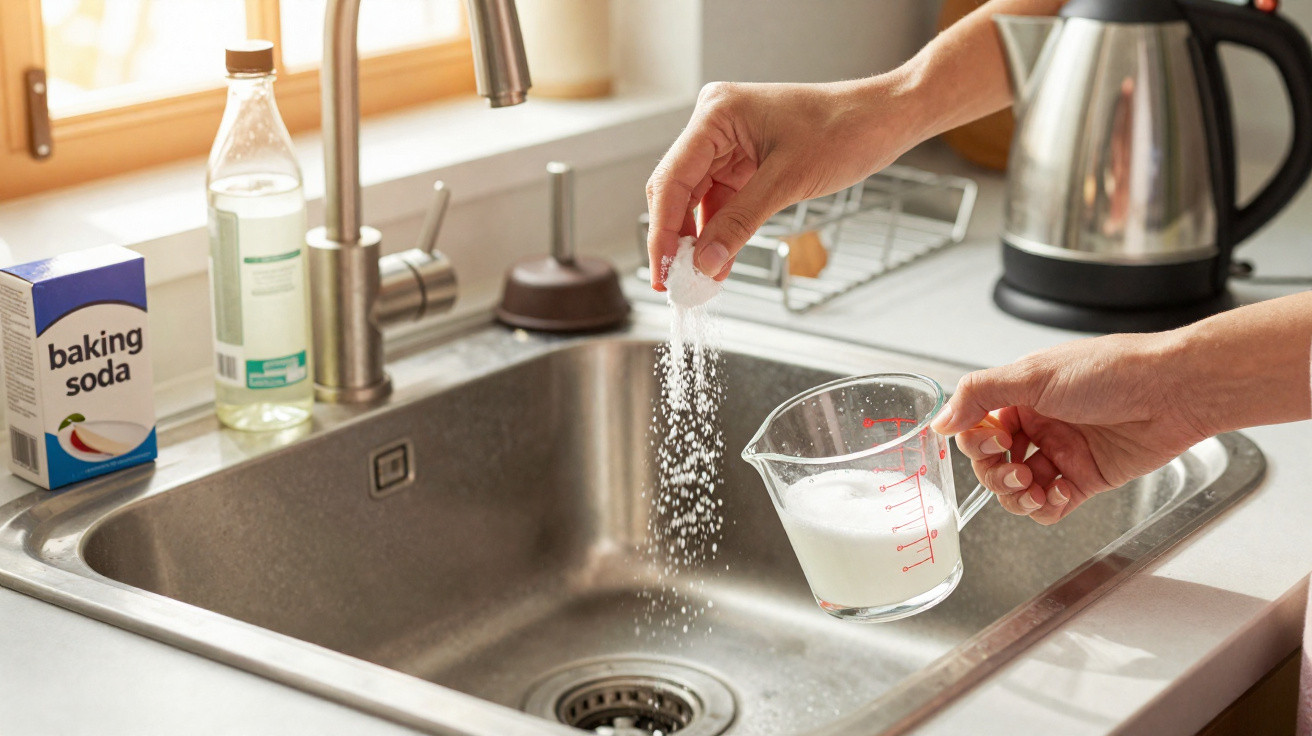
- Add bowls of dry bicarbonate of soda or activated charcoal for extra absorption.
- Run an air purifier with a carbon filter on low, leaving the door ajar.
- Keep fabrics away from the floor until the room no longer smells “sweet”.
Why paint odour persists-and alternatives to onions
Paint smells linger because vapours do not simply disappear into thin air. They rebound from surfaces, work their way into fibres and disperse more slowly in still air. Odour molecules are drawn to soft furnishings such as rugs, throws and upholstered chairs, while a warm room with shut windows becomes a miniature VOC greenhouse. Open the door the following morning and the smell can come rushing back. You notice the odour before you notice the colour.
A practical routine makes a difference. On the first day, ventilate actively for 20–30 minutes every couple of hours. Overnight, change to softer airflow so the house does not become freezing cold. Use onions as the balancing measure, alongside bowls of bicarbonate of soda beneath the windowsills. A tray of coffee grounds can also help and makes the room feel more habitable. Set a carbon-filter air purifier to low to quietly clear the background smell. Most odours fall sharply during the first 24–48 hours when the air keeps moving.
The best approach begins before the tin is opened. Opt for low- or ultra-low-VOC paints, especially in bedrooms and nurseries. Start painting earlier in the day, allowing time to ventilate without having to sleep in a draught. Keep only a shallow amount of paint in the roller tray; more exposed paint means more off-gassing. Avoid painting skirting boards in oil-based gloss immediately before visitors are due. If you are prone to headaches, go outside as soon as you feel nauseous or tight-chested. There is no need to push through it.
Live with colour, not fumes
Wanting a room to feel different by this evening is a deeply human impulse. A fresh shade offers a quick route to that change. The smell simply reminds us that transformation needs a little time. Onions are odd but useful allies, rather than a miracle cure. They turn the resigned response of “ugh, it stinks” into a prompt to take a few easy steps, so you can enjoy the room you have just renewed.
That is the essential point. Select a better paint, work with the weather available to you and choose tactics that fit a busy life. Tell a friend about the unusual onion method, keep a box of bicarbonate of soda with your decorating supplies, and let the fans deal with the tedious work while you have a cuppa. You can wake to a room that smells like a home, not a hardware shop aisle. Your walls can still shine without leaving that harsh feeling in your throat.
| Key point | Detail | Why it matters to the reader |
|---|---|---|
| VOCs cause the smell | Water- and oil-based paints release vapours as they cure; warmth speeds this up | Understand why the odour peaks and how to reduce its duration |
| The onion hack genuinely helps | Halved onions absorb and neutralise odours; replace every 12–24 hours | A low-cost, low-effort solution to try tonight |
| Combine your tactics | Cross-breeze + onions + bicarbonate of soda/charcoal + carbon filter | Get comfortable faster without living in a gale |
FAQ:
- Does the onion trick actually “absorb” paint fumes? It lessens the sharp aldehyde edge and alters how the room smells. Airflow is still necessary, but many people detect a clear improvement by the next morning.
- Will my house just smell like onions instead? A little, and only briefly. Ventilation quickly removes the onion note, which is much milder than a plastic-chemical haze.
- How many onions should I use in a large room? Use four to six halves in a large lounge or open-plan area. Position them at varying heights to reach more air.
- What if I’m sensitive to smells or get headaches? Choose low- or zero-VOC paint, ventilate in short spells and leave the room if you feel unwell. Use a carbon-filter purifier and allow the room to cure before sleeping in it.
- Are there alternatives if I don’t want to use onions? Yes: bowls of bicarbonate of soda or activated charcoal, trays of coffee grounds, white vinegar in shallow dishes and consistent cross-ventilation. A carbon-filter purifier provides an additional quiet boost.




Comments
No comments yet. Be the first to comment!
Leave a Comment