
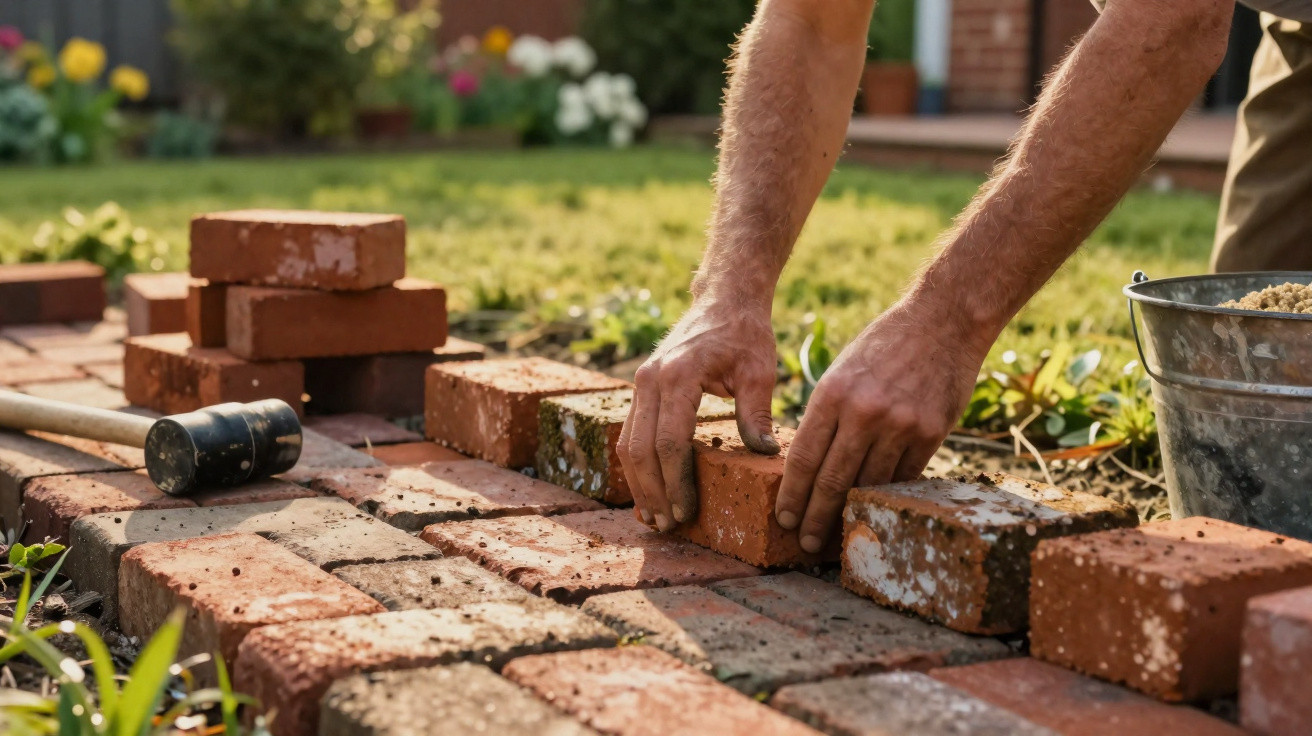
Refreshing outdoor areas is taking a new direction, with the industrial look giving way to warmer, more welcoming finishes. Using handmade bricks in landscaping brings a distinctive, homely character, delivering both elegance and strong day-to-day practicality for a residential garden.
Why have aged bricks become so popular in landscaping?
Homeowners are increasingly looking for ways to make open-air spaces feel more comfortable and inviting. The uninterrupted, grey appearance of concrete is being replaced by classic klinkers, which add texture and a sense of history to external paths through their naturally varied, earthy tones.
As well as their obvious visual appeal, these ceramic elements stand up extremely well to weather-related wear. The gently rounded edges and slightly irregular finish of waaltjes styles create a one-of-a-kind rustic charm-ideal for enhancing the overall look of your back garden.
How does permeable paving prevent water building up in the back garden?
A permeable structure lets rainwater pass straight through into the ground, helping to avoid waterlogging and puddles… Read more
How is this type of paving installed?
Getting the ground properly prepared is the most important first step if you want a surface that sits perfectly level. A substantial layer of compacted sand is laid down, forming a stable base so the ceramic blocks can be positioned correctly.
Next, the bricks are set side by side in the chosen pattern, leaving small gaps between each piece. The finishing stage involves brushing fine sand across the joints, which locks everything in place and ensures the long-term stability of the structure.
Below is a video from the Gadero Houthandel YouTube channel that explores the points covered in this topic in more detail:
What are the key benefits of an aged finish?
The process commonly referred to as ageing gives each piece softly worn edges, resulting in a naturally handcrafted appearance. This distinctive aesthetic helps minor signs of time blend in easily, creating a welcoming look that is also highly durable for leisure areas.
Unlike the smooth, cold feel of concrete, this kind of paving sits comfortably alongside plants and lawn. Because the colour palette varies, it’s easy to pair the surface with different outdoor decoration styles-adding value and elegance to the property.
Essential Paving Kit
Components for a flawless project
These elements help you achieve a rustic, long-lasting finish in your garden:
- Aged bricks or artisanal-finish klinkers;
- A layer of clean, compacted sand for levelling;
- Jointing sand to lock the paving and keep it stable.
How do you keep bricks durable in outdoor areas?
Simple upkeep is one of the biggest advantages of this type of outdoor surface. Sweeping regularly prevents excessive dirt build-up, protects the material’s natural colours, and keeps the area consistently pleasant to use.
If small weeds appear in the gaps between the bricks, pulling them out by hand usually solves the problem quickly. Topping up the joints with sand from time to time helps keep the pieces stable against movement caused by everyday use.
Key recommendations for maintaining your paving include:
- Regular cleaning with water and a soft-bristled broom;
- Replacing sand in the joints when needed;
- Simple removal of unwanted vegetation between the pieces.
Where can you use aged bricks around your home?
These versatile elements work beautifully for walkways, verandas, and uncovered patios. Creating small social “pocket squares” within the garden feels especially inviting, and pairs perfectly with wood furniture and flower-filled beds.
You can also use the blocks to frame planting areas or to form gentle transitions between different outdoor zones. The end result is a functional space with real personality, fully in step with contemporary design trends for outdoors.

Comments
No comments yet. Be the first to comment!
Leave a Comment