
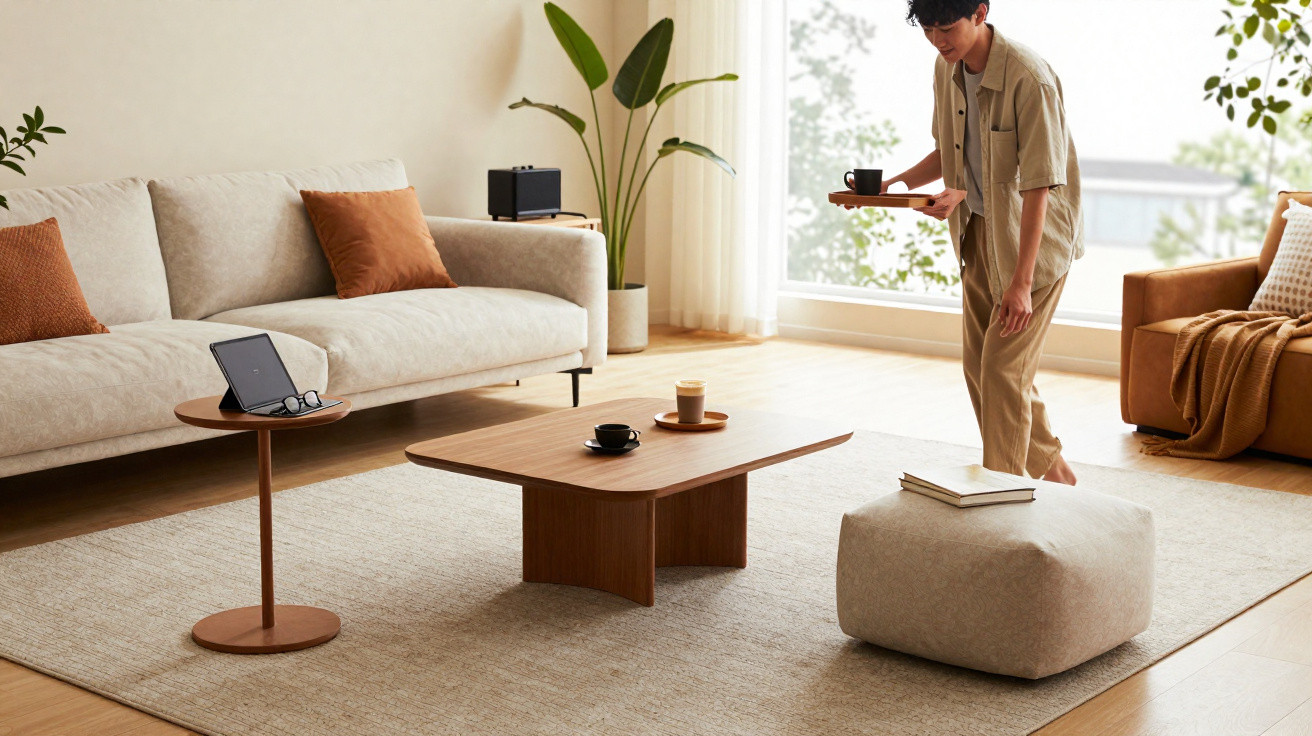
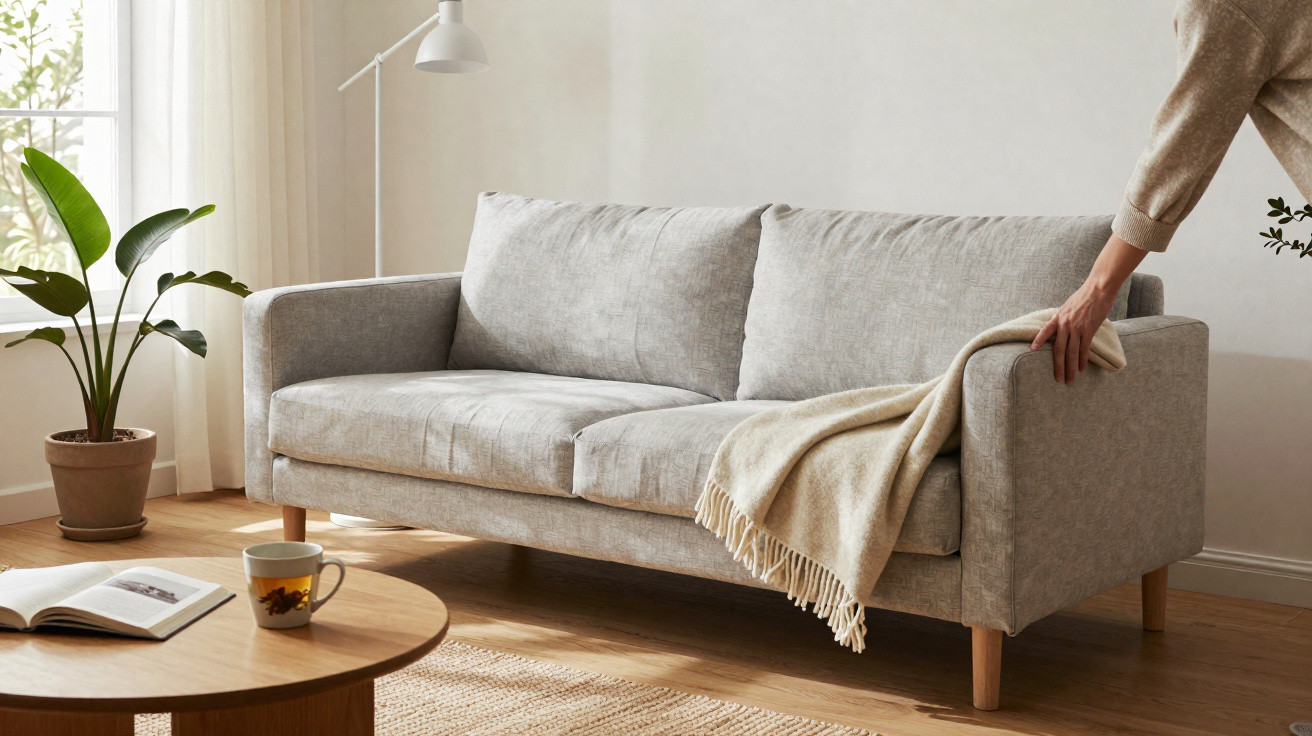
In 2026 living rooms, the traditional coffee table is giving way to lighter, moveable and more versatile alternatives. In compact flats and larger homes alike, the focus is on unobstructed movement, smart use of every square metre and the ability to reshape the room day to day, with furniture that keeps pace with the routines of those using the space.
Why the traditional coffee table is losing its place in the living room
Interior designers and architects note that the classic coffee table, often bulky and heavy, is increasingly regarded as both a physical and visual obstruction. In open-plan layouts, where the living room, kitchen and balcony flow into one another, the aim is to create a flexible social area that works equally well for relaxing, working or welcoming guests.
Clearing the middle of the living room improves movement around it, makes cleaning easier and gives the impression of a larger space. In homes with children or pets, having fewer obstacles in the way helps lower the risk of bumps, falls and accidents involving sharp corners, while still providing comfort and somewhere to place everyday items.
Watch a video on the Let’s Evandro YouTube channel about new joinery solutions and the use of pouffes and side tables to replace the traditional coffee table:
https://www.youtube.com/watch?v=X2mB_7V9_kI
What is replacing the coffee table in contemporary décor
Rather than relying on one fixed item of furniture, side tables, moveable occasional tables and pouffes with trays are becoming more prominent. These pieces can be repositioned easily when needed: beside the sofa while watching a film, next to an armchair for reading, or moved aside when the centre of the living room needs to be kept clear.
Nesting tables-tables in different sizes that fit beneath one another-and serving trolleys are also increasingly common, providing practical surfaces for snacks, laptops or books. By spreading these supports around the room rather than concentrating them in one central piece, the living area becomes more dynamic and suited to different situations.
How to adapt a living room to work without a coffee table
Making this change does not require renovation work or replacing all your furniture. In many cases, it simply involves rearranging what is already there and adding a few well-chosen pieces, based on how the living room is actually used throughout the day. Here are practical ways to redistribute surfaces for placing items.
- Replace it with side tables: Two or three small pieces beside the sofa or between armchairs provide space for drinks, books and remote controls.
- Use multifunctional pouffes: Upholstered designs can be extra seating, footrests or a surface for items when topped with a rigid tray.
- Choose furniture behind the sofa: A narrow console table placed against the back of the sofa becomes a “new coffee table” without taking up the middle of the living room.
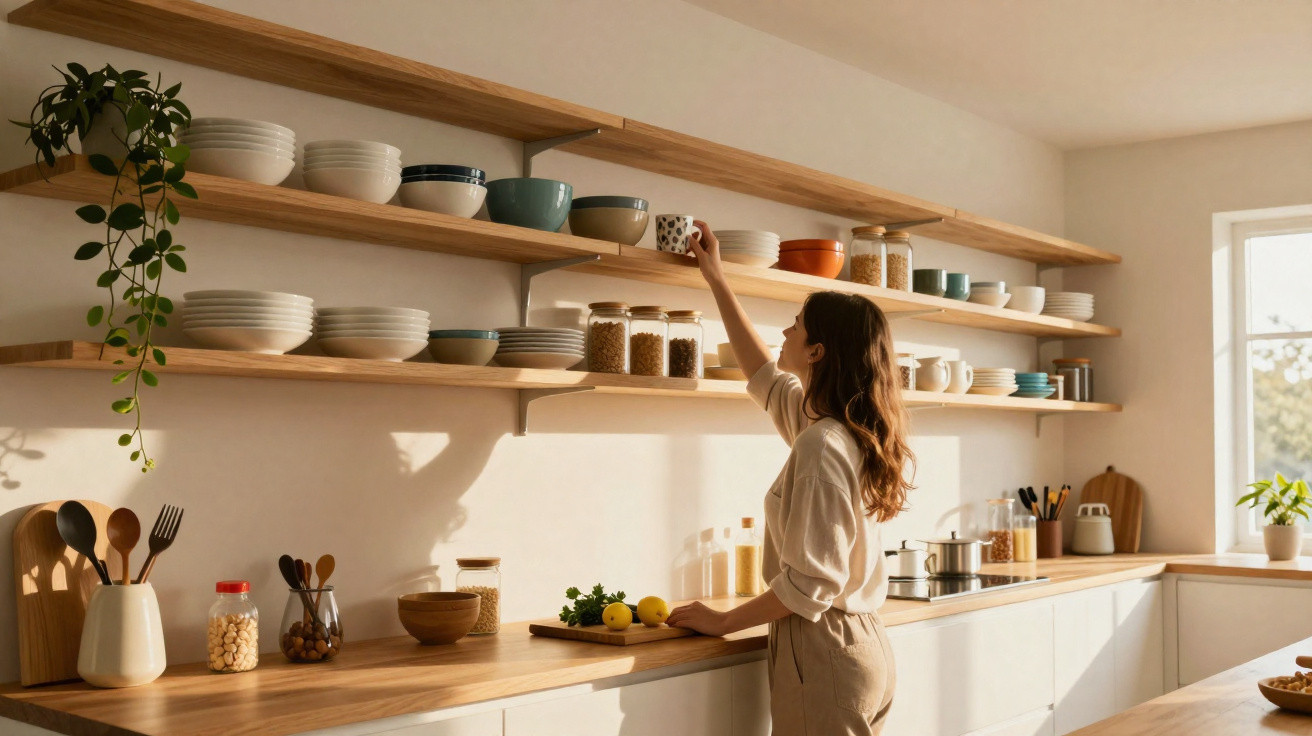
- Make use of niches and shelving: Low bookcases and TV units with clear surfaces can take on part of the supporting role once concentrated in the central table.
Steps for trying a living room without a coffee table every day
For anyone unsure whether the change will work, a temporary trial is a sensible approach. Putting the coffee table away for a few days makes it possible to see how the living room is used afterwards, what conveniences emerge and which aspects of support and organisation still need adjusting.
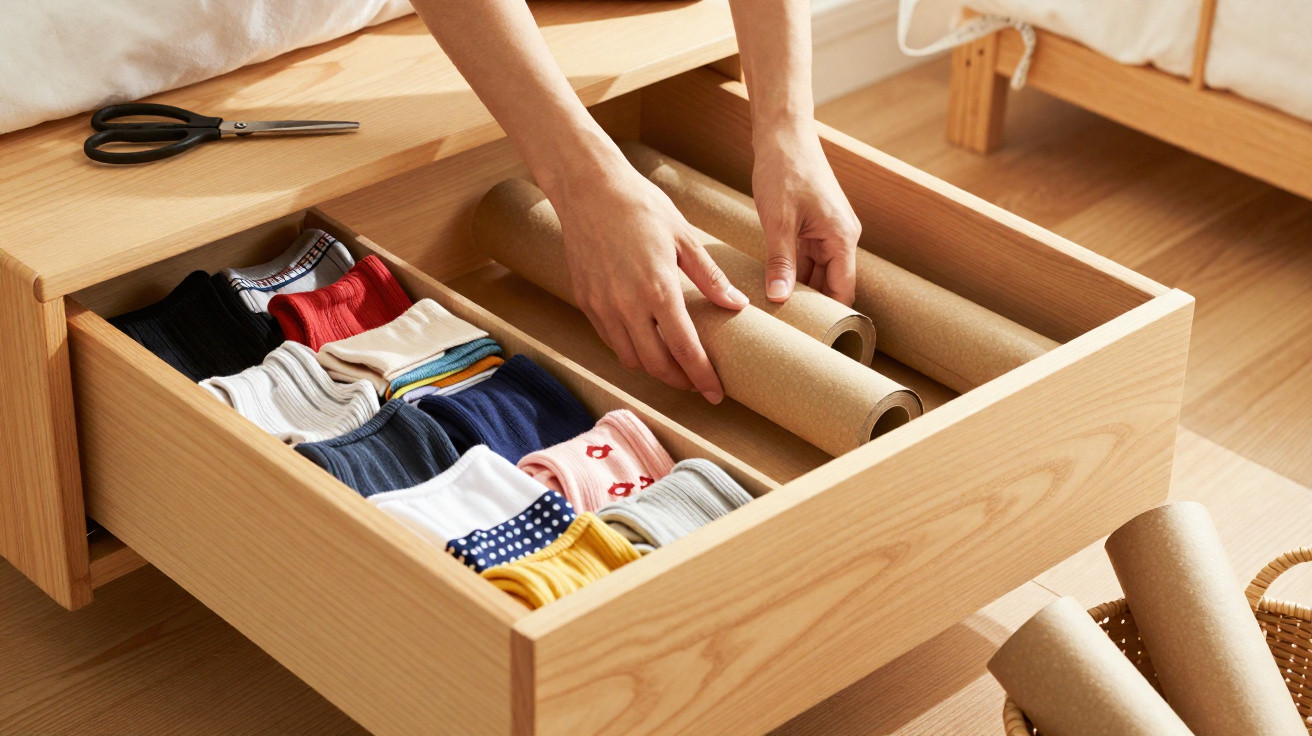
Once the piece has been removed, it is worth repositioning the sofa and armchairs, adding mobile supports such as side tables or pouffes with trays, and storing remote controls, magazines and small items in baskets or niches. In larger living rooms, a larger rug can unite sofas and armchairs; in compact spaces, a slimmer sofa, narrow console table and versatile pouffes are likely to create an orderly, uncluttered setting that is ready for both relaxation and remote-working tasks.
Comments
No comments yet. Be the first to comment!
Leave a Comment