
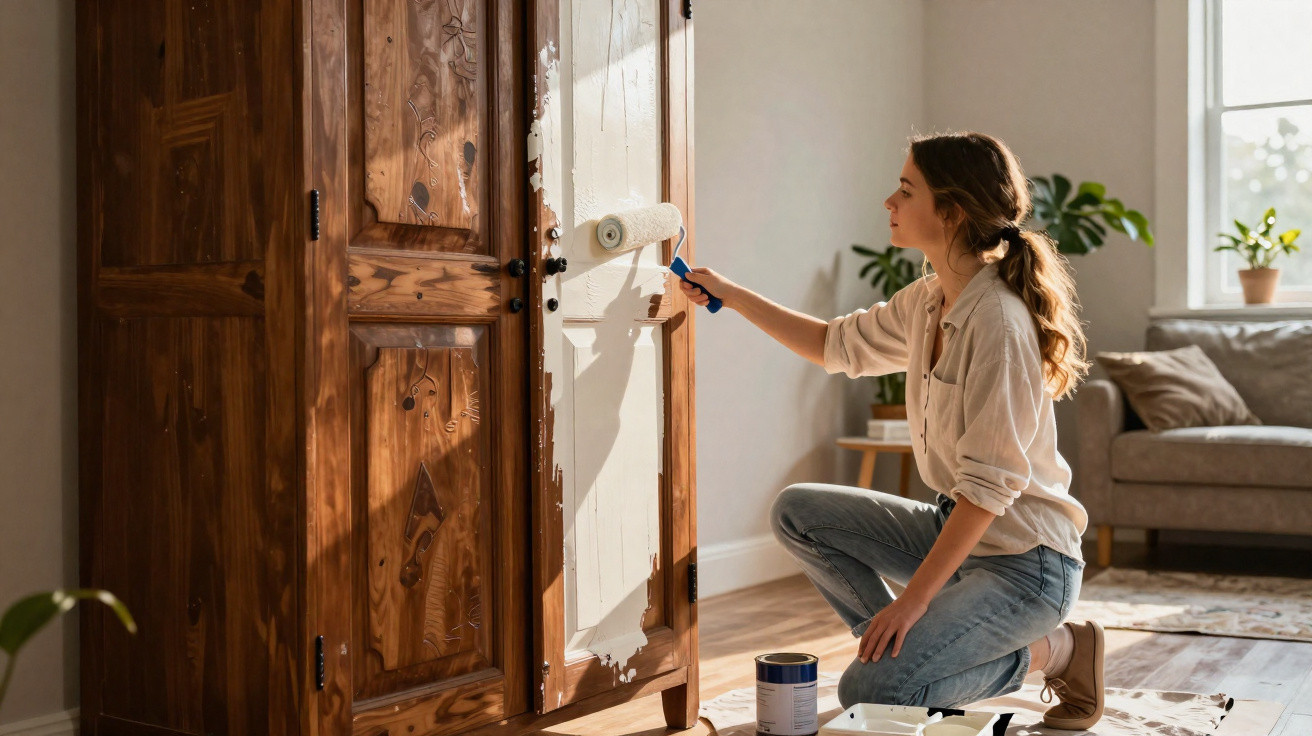
Giving an old cupboard a fresh lease of life does not have to involve hours of sanding or a great deal of mess. In recent years, British restorers and decorators have made a straightforward technique popular: it allows wooden furniture to be refreshed with specialist preparation products and suitable paints, removing the need for sanding in many situations. The key is to clean the surface thoroughly and select the right materials so that the paint adheres properly.
Why can some furniture be painted without sanding?
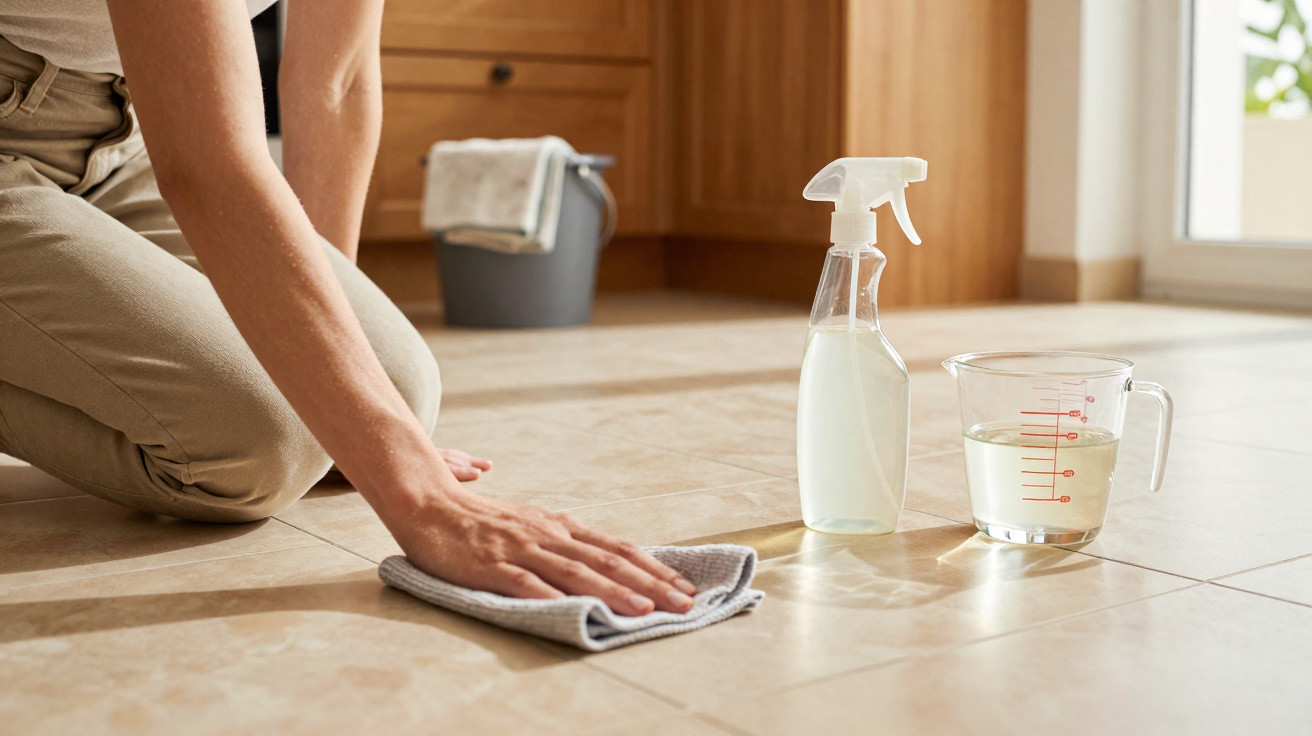
Over time, much old furniture builds up grease, dust, wood wax and residue from cleaning products. Completely removing these contaminants is the most important task before any painting begins.
Provided the surface is sound, free from flaking and in good condition, a quality degreaser or preparatory cleaner may be enough to allow the use of high-adhesion primers or paints formulated for this type of project. This can considerably shorten the refurbishment process while avoiding the dust created by sanding.
How can you restore an old cupboard with this technique?
The method is fairly straightforward, although every stage requires care. Proper preparation generally has a greater effect on the finished result than the painting itself.
Once the cupboard has been cleaned, apply a primer where the manufacturer recommends one, then finish with paint intended for furniture.
- Degreasing furniture cleaner
- Microfibre cloths
- High-adhesion primer, where required
- Paint specifically designed for wood or furniture
- Foam roller or soft brush
- Varnish or sealer for the finish, if desired
What care ensures an attractive finish?
Although sanding is not required, certain precautions remain essential if the paintwork is to last for many years. During application, the area should be clean, dry and free from dust.
It is also worth following the paint manufacturer's recommended drying time between coats. Thin coats usually create a more even finish than attempting to cover the entire surface in one go.
- Clean the furniture thoroughly before painting
- Remove handles and hinges whenever possible
- Apply thin coats of paint
- Allow the stated drying time between coats
- Use products made specifically for furniture
- Apply a protective finish where necessary
Is it worth restoring old furniture?
As well as saving money, restoring an old cupboard retains pieces that often have excellent-quality timber and sentimental value. In many cases, furniture made decades ago has a sturdier structure than many models manufactured today.
Every piece of furniture should be assessed individually. If the paint is flaking, there are deep cracks or the varnish is damaged, some sanding or repair work may be needed before painting.



Comments
No comments yet. Be the first to comment!
Leave a Comment