

Kitchen renovations in 2026 are increasingly focused on quick, clean solutions that cause less disruption at home. Rather than breaking up tiles, dealing with rubble and facing weeks of building work, more people are looking at coverings that can be laid straight over the existing floor. They offer a striking visual change with a simpler installation process, fitting fast-paced routines and more carefully managed budgets.
Why has vinyl flooring in the kitchen become a trend in 2026?
Vinyl flooring in the kitchen has become a prominent choice because it can refresh the room without removing the previous covering, provided the subfloor is sound, level and dry. This floor-over-floor method removes traditional renovation stages, shortens the schedule and creates less mess, making it suitable for anyone who wants to renovate while getting the kitchen back into use quickly.
Visual variety is another reason: the material can replicate wood, polished concrete, natural stone or ceramic-style patterns, allowing for modern kitchens without structural alterations. An older space can therefore be updated while retaining the existing cupboards, worktops and layout, which is particularly helpful in rented properties.
You can also watch a video on the PLANARQ CAMPOS / Ralph Dias YouTube channel covering 20 creative ideas for transforming the appearance of kitchens and bathrooms without having to knock down any walls: http://www.youtube.com/watch?v=THhex4tF118
How is vinyl flooring installed over old tiles?
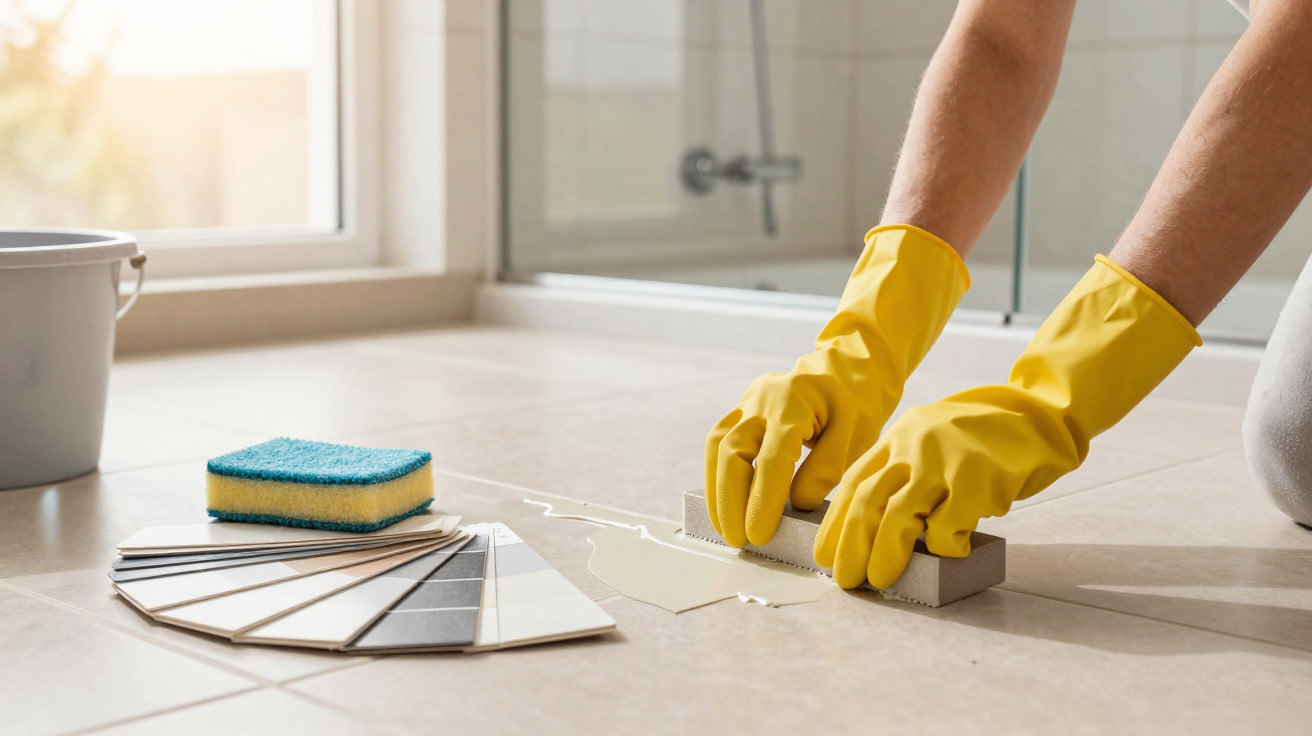
Installing vinyl flooring over tiles requires a technical assessment of the existing surface. Loose tiles, holes and uneven areas must be repaired before fitting begins. The surface is then thoroughly cleaned to eliminate grease, dust and cleaning-product residue, improving adhesion and helping to prevent future defects.
Two installation systems are most commonly used in kitchens, selected according to how the room is used and the type of subfloor available:
- Glued-down vinyl flooring: secured directly to the floor with a dedicated adhesive and recommended for high-traffic areas.
- Click vinyl flooring: planks or tiles that lock together with a click system, creating a continuous surface that is often reversible.
What are the main benefits of vinyl flooring in the kitchen?
When compared with traditional ceramic flooring, vinyl flooring stands out for its shorter installation time and less intrusive renovation work, avoiding major demolition and the removal of rubble. In many situations, the kitchen can remain partly operational, with disruption limited to specific areas, reducing the effect on the household routine.
Additional advantages include straightforward upkeep with a damp cloth and mild detergent, thermal comfort and a pleasant feel underfoot. Certain models also provide good acoustic absorption and improved slip resistance, as some ranges have a lightly non-slip finish, ideal for people who cook regularly.
What care ensures vinyl flooring in the kitchen lasts longer?
To ensure vinyl flooring provides many years of service, it is important to select versions designed for wet areas and heavy residential foot traffic. It is also worth checking the final floor height in relation to doors and open-plan adjoining spaces, and planning transition profiles to prevent uncomfortable steps or visible level differences.
Another precaution is to follow the manufacturer’s cleaning guidance, avoiding abrasive products and overly stiff scrubbing brushes, which may damage the protective layer. With correct installation on a level subfloor and basic maintenance, vinyl flooring can make a kitchen renovation a quick, predictable process with excellent value for money in 2026 and beyond.

Comments
No comments yet. Be the first to comment!
Leave a Comment