
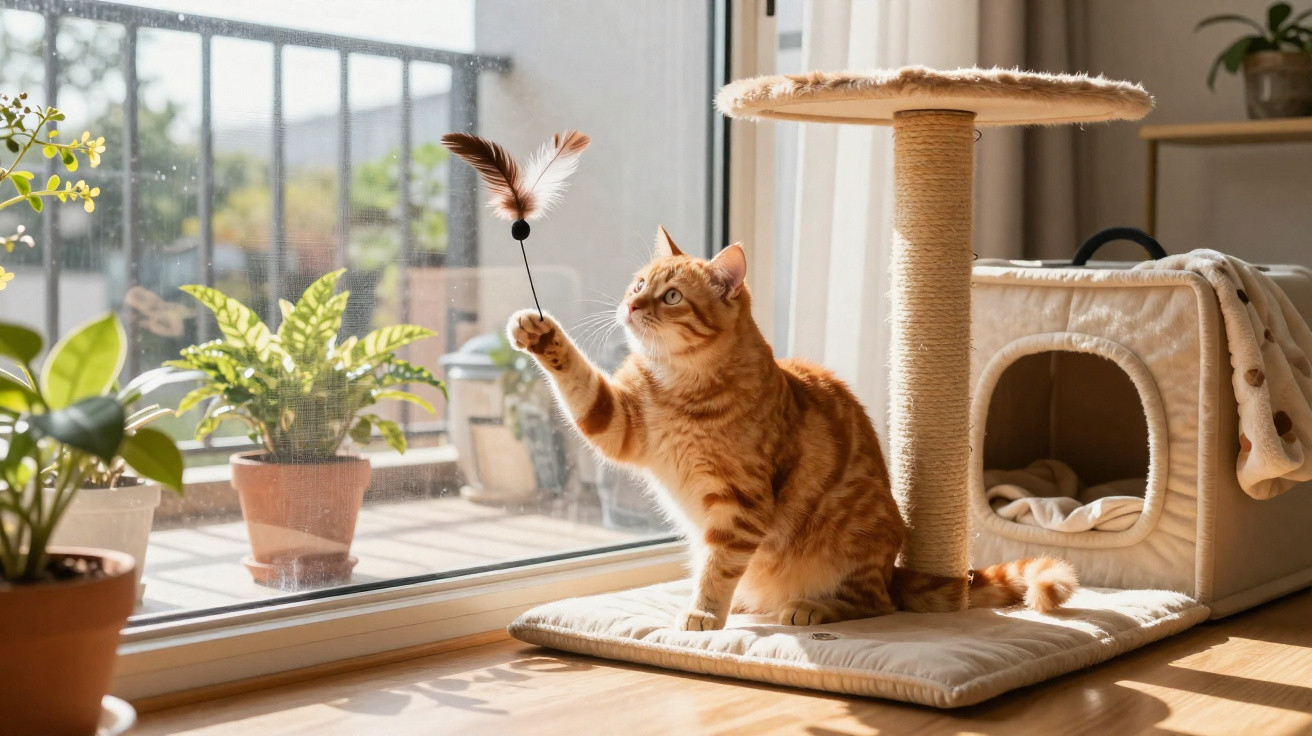
Installing cat safety nets is among the most important measures vets recommend to keep cats safe at home. While homes are usually designed around human needs, they do not always provide a suitable setting for animals. As well as preventing serious accidents, safety nets let cats enjoy windows, balconies and roof terraces more peacefully, supporting both their physical and emotional wellbeing.
Why do cats need safety nets?
Cats are naturally driven to explore and watch their surroundings. Windows and balconies are especially appealing, as they provide views of birds, people, traffic and many other outdoor stimuli. However, this curiosity can expose them to danger.
Even very placid cats may try to reach something that has caught their eye. Cat safety nets create a secure barrier, greatly lowering the risk of falls and accidents in the home.
How can windows and balconies be made more appealing to cats?
Alongside safety, these areas should be made pleasant and stimulating. Cats often enjoy spending hours watching what is happening outside, particularly when they have a comfortable place to settle.
A few straightforward adjustments can make these spaces even more attractive to cats:
- Fit shelves close to windows.
- Set up resting spots with cushions or beds.
- Add pots containing grass suitable for cats.
- Place scratching posts near viewing areas.
- Ensure safe access to natural daylight.
Which features can help reduce stress in indoor cats?
Environmental enrichment is essential for preventing boredom and encouraging a healthier daily routine. Stimulating surroundings allow cats to display natural behaviours, helping to reduce signs of anxiety and frustration.
To help you recognise these signs and create a welcoming space, the @peritoanimal channel has produced a video guide full of practical advice on relaxing a stressed cat and bringing calm back to your cat’s routine. Watch it below:
How can a cat carrier support a cat’s wellbeing?
Many owners only use a carrier when they need to take their cat to the vet. As a result, the cat may link it solely with uncomfortable experiences, becoming stressed before they have even left the house.
Specialists recommend keeping the carrier accessible in the home at all times. Once it becomes part of the everyday environment, the cat can begin to see it as a safe place to rest and hide. This small change helps reduce anxiety during journeys and veterinary appointments, making the experience considerably calmer for the animal.




Comments
No comments yet. Be the first to comment!
Leave a Comment