
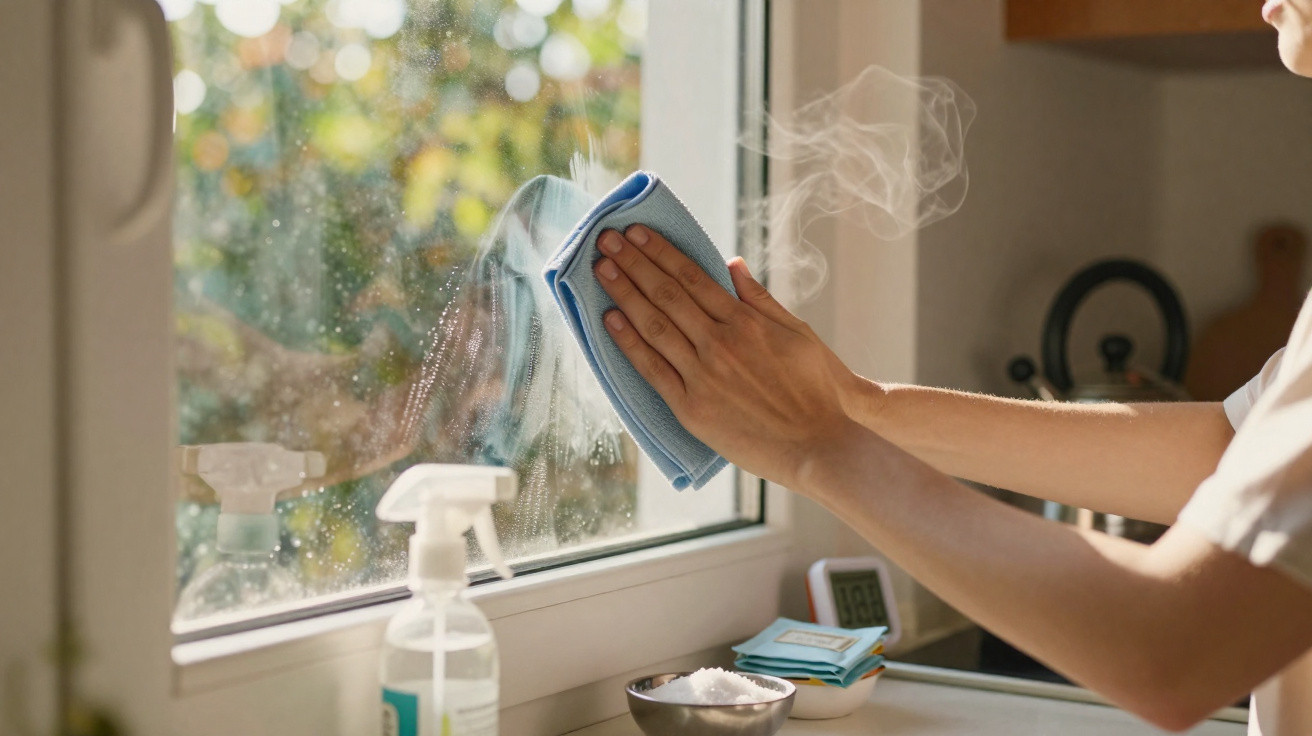
A fine film of moisture covered the glass, gathering into droplets that trickled down the frame and collected on the sill. Beyond the window, the morning was bright and fresh. Indoors, everything looked blurred, as though the house were a bathroom filled with steam.
She rubbed a clear patch with her sleeve, leaving a neat handprint, then saw it cloud up again within a minute. The radiators were humming, the kettle was boiling and someone was calling out that the bus had arrived. There was no time to fuss over windows.
She opened the window briefly for some fresh air, shivered, shut it again - and the mist returned, as persistent as before.
There is a way to break that cycle almost straight away.
Why your windows keep fogging up - and why it seems worse lately
When you stand beside a misted-up window, the cause is almost obvious. There is warm, moisture-filled air indoors and cold, solid glass on the other side. As soon as they come into contact, tiny beads of water form seemingly out of nowhere.
During winter and wet weather, a home can become a miniature cloud-making machine. Showers, boiling pasta and drying washing on radiators all add moisture to the air. That unseen water vapour has to settle somewhere.
The glass is usually where it lands first.
Older double-glazed units, narrow frames and even thick curtains can leave cold surfaces in the equation. The condensation therefore does not simply appear: it hangs around, runs down the pane, marks paintwork and makes wooden sills swell. Quietly, it can also make a room feel colder than it actually is.
Walk along almost any street on a January morning and you will spot it: rows of homes with steamed-up windows. A UK survey by a major home insurer found that around 60% of households notice significant condensation every winter. Plenty of people simply put up with it.
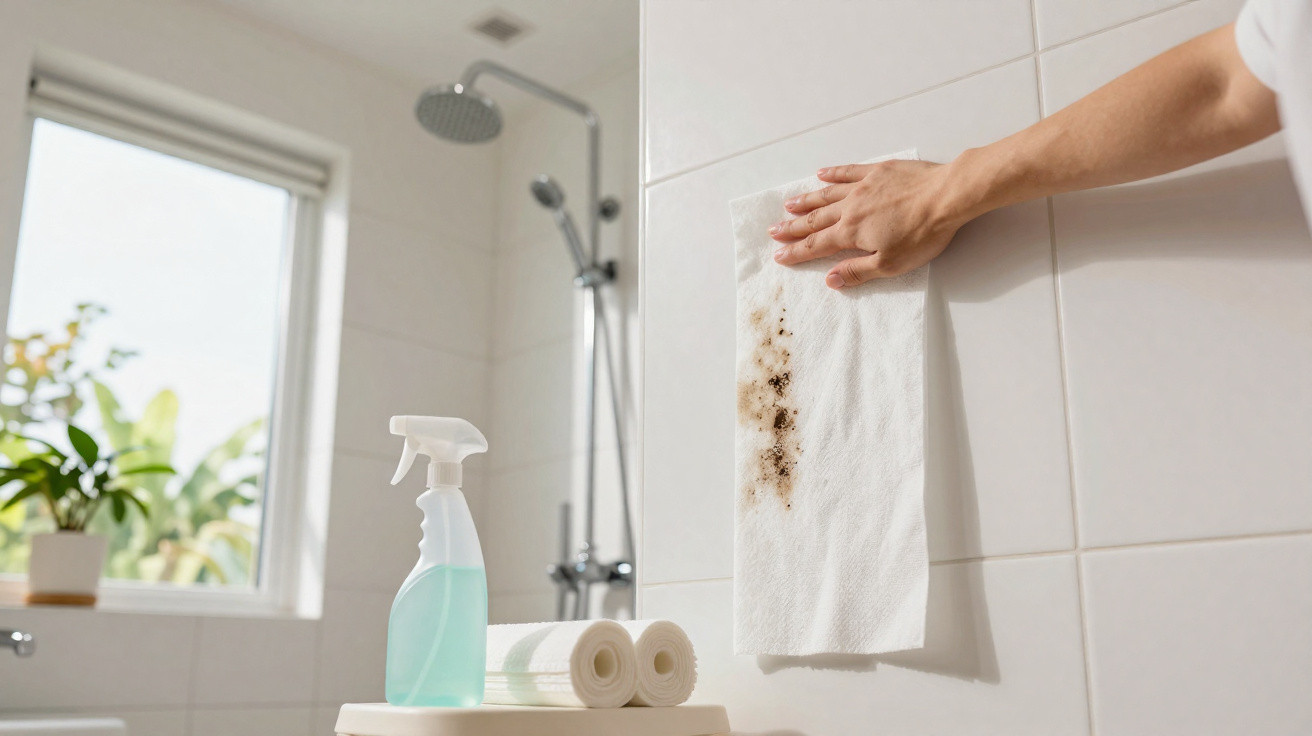
That is when the less obvious costs begin. Mould works its way into window corners. Black patches develop behind blinds. Clothes never seem entirely fresh. People may buy candles and diffusers, but the moisture in the air is still winning.
Talk to others and the same comments come up: “We wipe them every morning.” “We crack the window, but the room freezes.” “We tried a dehumidifier for a week, then unplugged it because it was noisy.” At 7:30am on a hectic weekday, nobody wants another maintenance routine.
So houses remain misty, people carry on wiping, and windows turn into a small daily irritation that is rarely discussed. For now.
At its simplest, condensation is physics at work. Warm air can retain more water vapour than cold air. When warm, humid air reaches a cold window, it cools quickly and can no longer hold all that moisture.
The surplus water must go somewhere, so it becomes droplets on the pane. There is no mystery or curse involved - just science. The colder the glass and the more humid the room, the more quickly it occurs.
This explains why bathrooms, kitchens and bedrooms - where people breathe throughout the night - often have the worst fogging. A single person can release up to a litre of water into the air while sleeping. Multiply that by a family and four shut doors, and you have created a weather system inside the house.
It also points to something positive: alter one part of the equation and the mist starts to lose its grip.
The immediate home fix: an instant anti-fog routine that works
The fastest way to stop windows fogging up is not to wipe them. It is to interrupt the moisture pattern in the air. Think of it as a morning anti-fog routine: like brushing your teeth, but quicker.
The main step is a powerful, brief exchange of air. Open two windows on opposite sides of the home fully for 3–5 minutes, leave the heating on and keep internal doors open. German builders refer to this as “shock ventilation”. In reality, it feels rather like pulling the plug from a bath full of damp air.
Over those few minutes, warm, humid air escapes while cooler, drier air enters. The radiators warm the glass slightly, humidity falls and the mist clears quickly - not little by little, but almost before your eyes.
This small routine is more effective than leaving a window slightly open for hours, and it will not leave the room cold all day.
The second part of the solution is applied directly to the glass. Once you have used shock ventilation, dry the inside of the window with a microfibre cloth or basic window squeegee. Next, create a light anti-fog coating by spreading a drop of washing-up liquid or a car anti-fog product evenly, then buffing it until it cannot be seen.
It may sound almost too straightforward. However, this invisible layer changes the way water acts on glass. Rather than gathering into droplets that create fog, moisture spreads into a thin, transparent film that is much less noticeable.
This is not an internet trick; drivers and motorcyclists have used it on visors and windscreens for years. On a bathroom window or in a bedroom that mists up every morning, this simple treatment can keep the view clear for weeks.
If the condensation is severe enough to drip, an inexpensive handheld window vacuum can turn a job involving soggy towels into a tidy 60-second task, without leaving water on the sill.
On a personal level, this is also about not feeling as though your home is battling you every morning. When you are exhausted, late or sorting children and packed lunches, damp, clouded glass can represent yet another task you have failed to keep on top of.
Many people blame themselves or assume their house is “just damp”. Often, though, the real cause is moisture trapped with no way out: kitchens kept shut while cooking, bathrooms with no extractor fan, and laundry drying on airers in the sitting room throughout winter.
Let’s be honest: hardly anyone really does everything perfectly every day. People run the extractor fan until the mirror clears, open the window now and then, and then life takes over. That is normal. It is why the “burst” method is more useful: one short, deliberate action done properly, rather than continual half-measures.
When you begin to view condensation as a signal rather than a failure, it becomes easier to deal with it proactively instead of simply wiping it away afterwards.
“The day I stopped just wiping and actually started removing moisture, the mould stopped spreading,” says Mark, 39, who rents a small flat with single-glazed windows. “It wasn’t magic. It was a £40 dehumidifier and opening two windows at once. But the difference in the air… you feel it in your lungs.”
Where the issue is persistent, a few small tools and habits can make a rapid difference. A basic desiccant or compressor dehumidifier in the worst-affected room can remove 1–2 litres of water each day. Keeping trickle vents open allows dry outdoor air to replace damp indoor air continuously.
For the glass itself, the anti-fog coating delivers the quickest visible result. Apply it carefully once and there is no need to keep tending to the window every morning.
- Open two opposite windows fully for 3–5 minutes every morning.
- Leave internal doors open during this “air flush”.
- Dry the glass immediately afterwards with a squeegee or microfibre cloth.
- Apply a fine anti-fog layer of washing-up liquid or car product, then buff until clear.
- Use extractor fans or pan lids while cooking, and run bathroom fans for 15–20 minutes after showering.
Living with clear windows: from a quick fix to everyday comfort
After trying this immediate fix a few times, your perspective can change. Instead of being an enemy, the window becomes a kind of gauge for your home’s health. Clear glass in the morning suggests that the previous day’s habits were working.
You may find that the bedroom window is worse after cooking a large pan of soup without a lid. Or perhaps two loads of washing dried indoors lead straight to misted glass. These patterns are valuable because they reveal where small adjustments can have the greatest effect.
Sometimes the answer is as simple as pulling furniture away from the wall to let air circulate, or leaving bedroom doors slightly ajar at night. Such details rarely appear in glossy interiors magazines, yet they influence how the air feels more than any scented candle.
Over time, some people consider improvements. Not showy or costly renovations, but practical, focused changes: replacing failed double-glazed units with moisture trapped between the panes, or fitting thermal curtains and insulated blinds to prevent the glass becoming icy cold.
Some households choose more effective extractor fans that genuinely remove air instead of merely making noise. Others buy a compact dehumidifier and set it on a timer near the most troublesome windows. It is not unusual to realise that a quiet but stubborn damp issue has been present for years.
The remarkable part is how quickly a home’s atmosphere can change as moisture levels fall. Odours disappear, walls feel less damp to the touch and waking up to a clear view outdoors can provide a subtle but genuine lift at the beginning of the day.
There is an emotional side that no leaflet tends to mention, too: the calm relief when mould in the corner stops spreading, and the satisfaction of entering a room that once felt clammy and realising that the air is finally simply air.
People often discuss “cosy” homes in terms of throws, lighting and colours. They speak less about air that does not leave your chest feeling heavy. Yet the way a home breathes affects energy levels, sleep and even whether you feel willing to invite people round.
Once you have watched fog disappear immediately after one simple action, it becomes difficult to ignore it again. Window condensation stops feeling like a mysterious, depressing winter visitor and becomes something manageable through a quick routine and a little awareness.
Perhaps that is the understated value of this kind of solution. It is not only about the glass; it is about reclaiming one small, visible sense of control in a world that can feel as though tasks are mounting faster than you can wipe them away.
| Key point | Detail | Benefit for the reader |
|---|---|---|
| Immediate air “shock” | Open opposite windows fully for 3–5 minutes to replace humid air with drier air | Clears mist quickly without leaving the house cold all day |
| Anti-fog film on glass | Apply and buff a thin layer of washing-up liquid or car anti-fog product | Prevents misting and keeps windows clear for days or weeks |
| Moisture habits | Use extractor fans, lids, dehumidifiers and smarter laundry drying | Reduces long-term condensation, mould risk and that “damp” feeling |
FAQ:
Why do my windows fog up only in the morning? During the night, rooms are closed, people breathe for hours and heating levels fall, allowing moisture to build in cooler air. When the heating comes on, that warm, humid air meets cold glass and condenses rapidly.
Is window condensation bad for my health? Condensation itself is not the issue, but the ongoing dampness it creates can encourage mould and dust mites. Over time, these may trigger allergies, asthma and respiratory discomfort.
Will new double-glazed windows stop condensation completely? They can reduce it substantially because they keep the glass warmer, but they cannot solve high humidity on their own. Good ventilation and moisture management are still needed, particularly in bathrooms and kitchens.
Do portable dehumidifiers really make a difference? Yes, provided they are used regularly in the appropriate place. Even a small unit can draw a surprising quantity of water from the air, reducing condensation and helping rooms feel drier and warmer.
Is the washing-up liquid anti-fog trick safe for all windows? On ordinary interior glass, yes, as long as you use only a very small amount and buff it clear. For specialist coatings or tinted glass, test a small corner first or choose a dedicated anti-fog product.





Comments
No comments yet. Be the first to comment!
Leave a Comment