

When the world outside is dormant in winter, your home is quietly working flat out in January – and silently suffering as a result.
Heating turned up high, dry air, wet shoes in the hallway and limited ventilation: the first month of the year puts more strain on your home than many people realise. While spring makes everything feel airier and lighter, January allows damage to build up that may only become apparent months later – from mould in a corner to cracks in the façade.
Why January is a stress test for your home
The contrast with spring starts with the climate itself. It is cold outdoors and warm indoors, and this temperature gap is often at its widest in January. That creates conditions in which materials, surfaces and household systems age far more quickly.
“In January, maximum heating output, minimal fresh air and high humidity indoors come together – precisely the combination that is especially hard on buildings.”
In spring, you can ventilate at any time without feeling cold. The heating is used less, windows are left open more often and shoes dry outside. January brings the reverse: everything stays indoors, air barely circulates and moisture accumulates.
Constant heating: what it does to your home
Heating is generally running almost continuously in January. Although this keeps you comfortable, it significantly changes the indoor climate.
- Walls and furniture dry out from within.
- Windows and frames are exposed to major temperature differences.
- Radiators and pipes accumulate more limescale and dirt.
- Joints, seals and wooden surfaces lose moisture.
By spring, radiators are often already switched off or used only lightly. The strain eases. In January, however, the entire heating system is working at full capacity, and every weak point becomes more pronounced.
Moisture, condensation and the risk of mould
The biggest difference from spring is that moisture is more likely to remain inside the home in January rather than escaping outdoors. Thick coats, wet shoes, drying laundry and simmering soups all release water into the indoor air.
Why windows “sweat” in January
Warm air can hold a great deal of moisture. When it reaches a cold surface, it cools down and releases water. This is exactly what happens on windows, external walls and poorly insulated corners.
“Misted-up windows early in the morning are a sign that the air is too humid and that temperature differences within the room are too great.”
During spring, outdoor temperatures are closer to the indoor climate. Glass surfaces do not cool as sharply, so condensation forms less often or dries much more quickly.
Hidden problem areas in January
Rooms used infrequently or heated only occasionally are particularly vulnerable:
- bedrooms with a tilted window and a closed door
- storage cupboards with an external wall
- cellar rooms beneath heated living areas
- corners behind wardrobes or curtains
Moisture can collect here without you noticing it immediately. In spring, temperatures and humidity tend to balance out more readily, ventilation is easier and these recesses dry faster.
Typical January problems at home – and why they are less common in spring
| Problem | January | Spring |
|---|---|---|
| Mould growth | high risk due to condensation and limited ventilation | lower risk, with greater air exchange |
| Cracks in walls | sharp temperature changes, dry air | milder conditions, less stress |
| Strain on the heating system | continuous operation, high wear | reduced running times, lower strain |
| Moisture in the entrance area | wet shoes, slush, road salt | drier paths, less dirt |
| Ice and snow on the roof & balcony | pooled water, frozen gutters | thawing, natural drying |
January pressure points in your home – room by room
Hallway and entrance area
In January, the hallway is both a moisture trap and a gateway for dirt. Wet boots, snow slush and road salt all damage floor coverings, joints and wooden elements.
“Anyone who does not establish a clear ‘wet zone’ in the hallway in January often pays for it later with stained floors or swollen laminate.”
A sturdy drip area, highly absorbent mats and clear household rules – such as not carrying shoes through the home – can substantially reduce damage. In spring, dirt dries faster, while salt and water are less likely to remain in place for long.
Living room and bedroom
In the living room, radiators beneath windows create strong air currents. Dust, pet hair and fine particles circulate more intensely. Dry heated air irritates mucous membranes and can cause plants to wither.
The issue is different in bedrooms: many people ventilate only briefly because it otherwise becomes too cold. At the same time, every person releases moisture overnight through breathing and perspiration. The result can be cold external walls, humid air and condensation behind the wardrobe.
Kitchen and bathroom
Kitchens and bathrooms produce considerably more water vapour in January, and it escapes less effectively. Cooking with windows closed, hot showers in small bathrooms and frequently inadequate extractor performance all contribute.
In spring, many people leave windows open for longer and doors ajar, allowing moisture to disperse more easily. In January, doors are more often kept shut to retain heat – trapping humidity in the room.
The specific care your home needs in January
Ventilate regularly, but correctly
During winter, brief intensive ventilation is enough. Open all windows fully for five to ten minutes several times a day, and turn down the heating while doing so. Leaving windows tilted open for extended periods cools the window reveal and can actually increase the risk of mould.
“It is better to ventilate properly three times a day than leave a window tilted open for eight hours – your home will thank you.”
Keep an eye on radiators and humidity
In January, it is worth keeping a hygrometer in the living room and bedroom. The ideal humidity level is between 40 and 60 per cent. Higher readings encourage mould, while significantly lower levels affect mucous membranes, wooden furniture and parquet flooring.
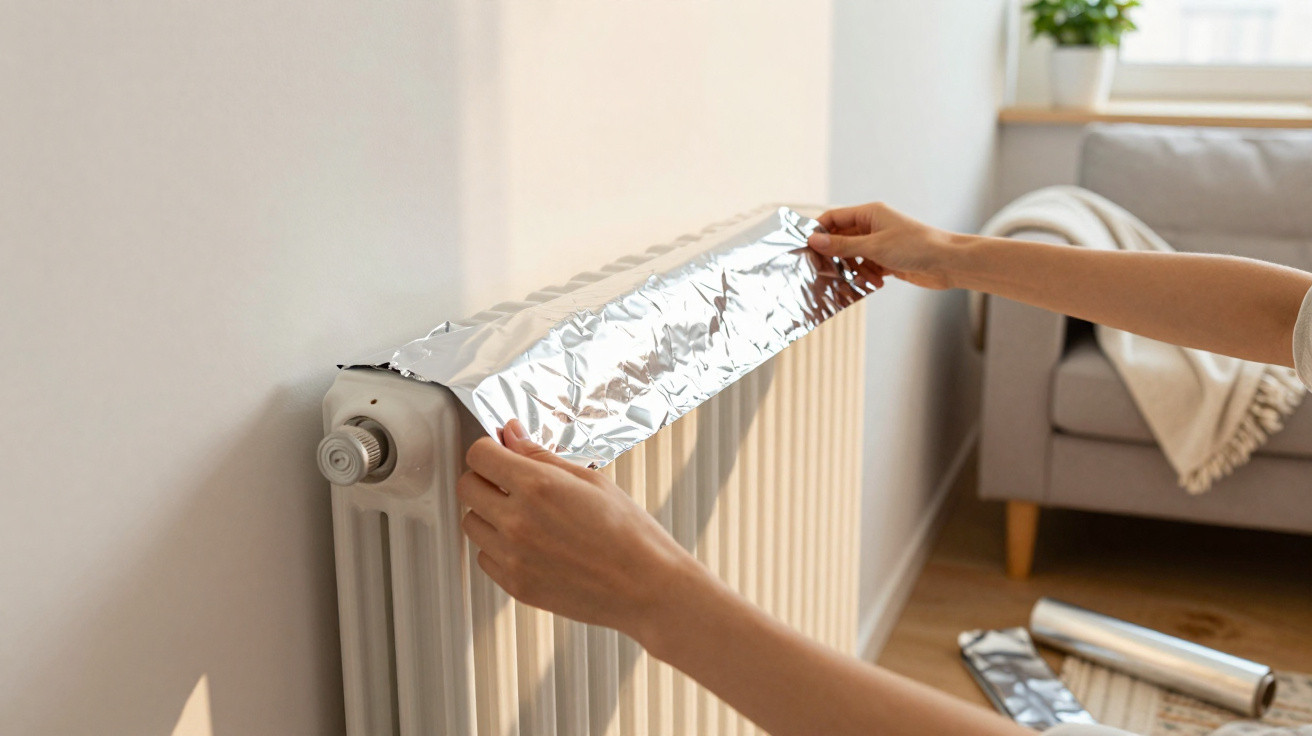
- Bleed radiators so they operate efficiently.
- Wipe dust from radiators and convectors regularly.
- Fit evaporators if the air is very dry.
- Use humidifiers only with proper care and cleaning, otherwise germs can develop.
Protect floors, joints and seals
More moisture reaches joints and gaps in January. Wooden and laminate floors should be dried as promptly as possible. Tile grout around the entrance benefits from an extra seal against water and salt.
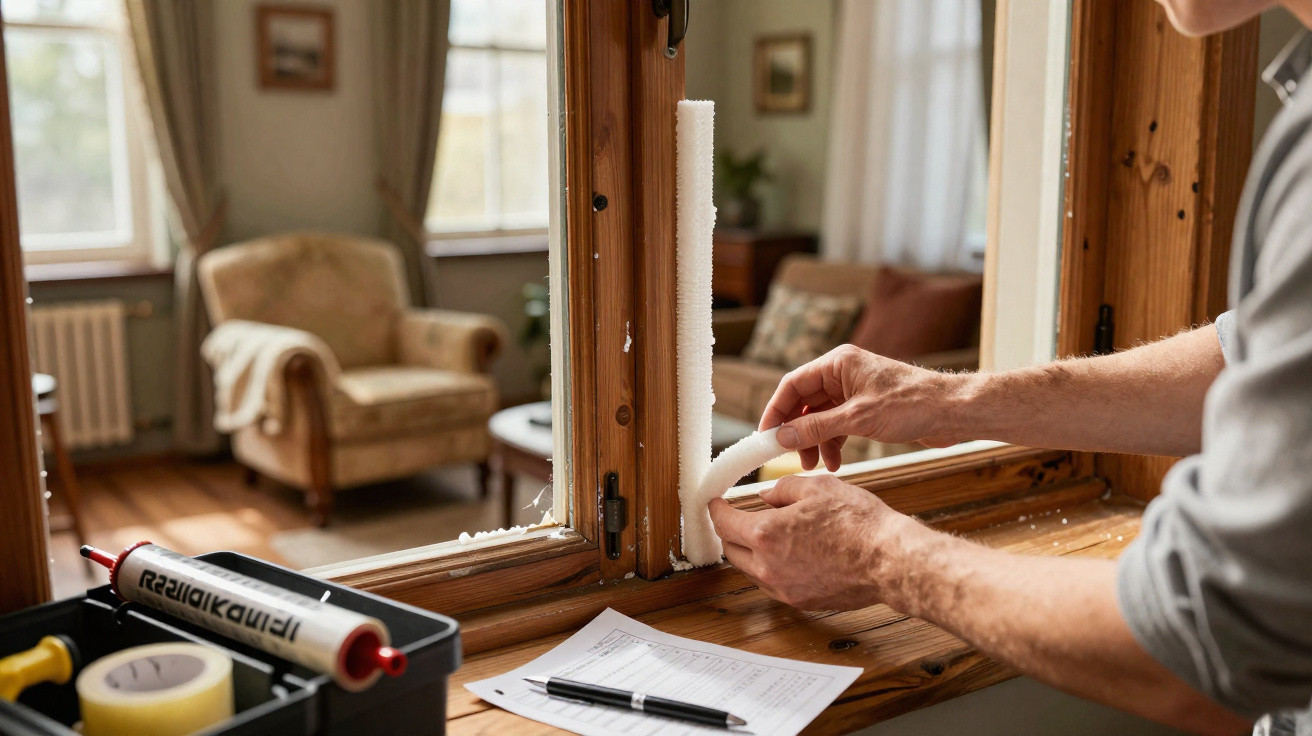
Rubber or foam window and door seals can become hard and cracked in winter. A quick check by hand – can you feel a draught anywhere? – helps identify leaks. Basic sealing strips from a DIY shop can close many of these weak points.
Do not overlook outdoor areas: roof, façade and balcony
While attention is often focused indoors, the exterior shell of the house suffers just as much in January. Frost, thaw water and wind place substantial stress on materials.
Gutters, drains and balconies
Frozen water in gutters and downpipes can cause blockages. When it thaws during the day and freezes again at night, the water expands and can split materials apart. Balconies with poorly functioning drainage collect meltwater, which seeps into joints and later causes flaking.
“Small chunks of ice in the gutter in January are often the first warning signs of costly water damage in spring.”
Removing leaves, dirt and loose debris before and during winter provides lasting protection for the house. Rain may seem cleansing in spring, but in January water can often become a destructive force.
Why early maintenance saves money in the long term
Many problems that become visible only in March or April began in January: flaking plaster, mildew marks in a corner or warped doors. Treating this winter month as a maintenance period helps keep the building fabric sound.
A short monthly walk-through of your house or flat is useful: inspect window reveals, look behind furniture, check joints and touch the radiators. This makes it easier to spot patterns: where does moisture settle? Where is there a draught? Where are cracks opening up?
A few terms and scenarios that provide clarity
What a “thermal bridge” means in everyday life
A thermal bridge is not merely an abstract technical term; it is often the exact spot where plaster darkens in January or wallpaper comes loose. It could be a concrete ceiling slab that extends to the outside, a poorly insulated roller-shutter box or a steel beam in the wall. The surface cools down faster there, moisture condenses and mould finds ideal conditions.
A realistic January scenario
A family in a period flat on the third floor. It is minus five degrees outside and 22 degrees indoors. Their day begins with a quick shower and coffee being made; nobody ventilates for long because everyone is in a rush. In the evening, soup is on the hob, the washing machine is running and laundry is drying on an airer in the living room. The windows remain shut because otherwise “there is a draught”.
Humidity rises unnoticed to more than 70 per cent. Condensation forms on the cold external wall behind the sofa. A grey film becomes visible there in March. The mould infestation appears sudden – but it developed slowly in January, day after day.
Related tasks ideally suited to January
Anyone already spending more time indoors can use the month for maintenance work that has benefits throughout the year:
- check and renew seals
- arrange hydraulic balancing or a heating-system check
- clean internal window frames and inspect silicone seals
- mark damp corners and monitor them over several weeks
These measures may seem minor, but they offer protection precisely when your home has to work hardest. In spring, much can appear stable and straightforward on its own – but January determines whether that impression lasts or is only superficial.




Comments
No comments yet. Be the first to comment!
Leave a Comment