

Daily life is busy, technology is becoming more complicated – and suddenly you are left baffled by a cold radiator or a dark hallway. A new UK study reveals how many people struggle with even straightforward DIY tasks. That may seem embarrassing at first glance, but it says more about our modern way of life.
How helpless are we in our own homes?
Research by a major energy supplier involving 2,000 adults paints a clear picture: a surprisingly large proportion feel unsure about basic household tasks. A quarter of those surveyed admit they are overwhelmed by the most important functions in their own homes.
“From a simple light bulb to the emergency main stopcock: many people simply do not know where to start when it matters.”
Some of the study’s key findings:
- Around a third do not know how to restart a boiler.
- About a fifth cannot locate the main water stopcock.
- Nearly a quarter are unsure how to change a light bulb.
- More than 40 per cent have no maintenance or servicing contract for their heating or boiler.
For many, these gaps in knowledge only become apparent when something suddenly breaks – and that is often when the stress begins.
Why we prefer to ignore household maintenance
The study indicates that a large number of people only think about household systems and maintenance after a problem has already emerged. One third openly say they ignore everyday household issues until nothing works any more. One in ten even deliberately tries not to deal with them at all.
What is more, very few people immediately pick up the phone to call a professional. Only around a quarter would spend money on a specialist straight away. Many are uncertain which jobs they can safely carry out themselves and when the risk becomes too great. Some would rather phone their parents before contacting a company.
Trial and error in the living room
Rather than seeking advice, many people would prefer to have a go themselves. More than seven in ten respondents rely on trial and error. That does not always end well: a quarter admit their own DIY attempt actually made the situation worse.
This rarely comes without consequences for relationships. Nearly half report arguing with their partner after a do-it-yourself project went wrong. A familiar scenario is someone tinkering with the boiler, leaving the flat cold, and ultimately facing a higher bill than they would have paid for a qualified engineer.
Are we really less handy than earlier generations?
Almost two thirds of respondents believe their generation is less practical than their parents or grandparents. In the past, tools and small repairs were simply part of everyday life. Today, many functions are hidden behind displays and smart-home apps – one faulty sensor can be enough for nobody to feel confident dealing with the system.
In addition, more and more homes come with everything already fitted and preset. Many people move several times, rent their homes and give little thought to the technology behind the walls. It is hardly surprising that some feel as though their own home is actively working against them.
The 15 basic DIY tasks that many people cannot manage
Specialists have compiled 15 simple jobs that every household should generally be able to do – or at least understand. These are the tasks that cause the most difficulty:
- Restarting a boiler or adjusting its pressure
- Changing a light bulb
- Fitting a shelf securely
- Connecting a plug correctly
- Replacing the bulb in a fridge
- Finding the main water stopcock
- Bleeding a radiator
- Knowing where the property’s main water supply enters the home
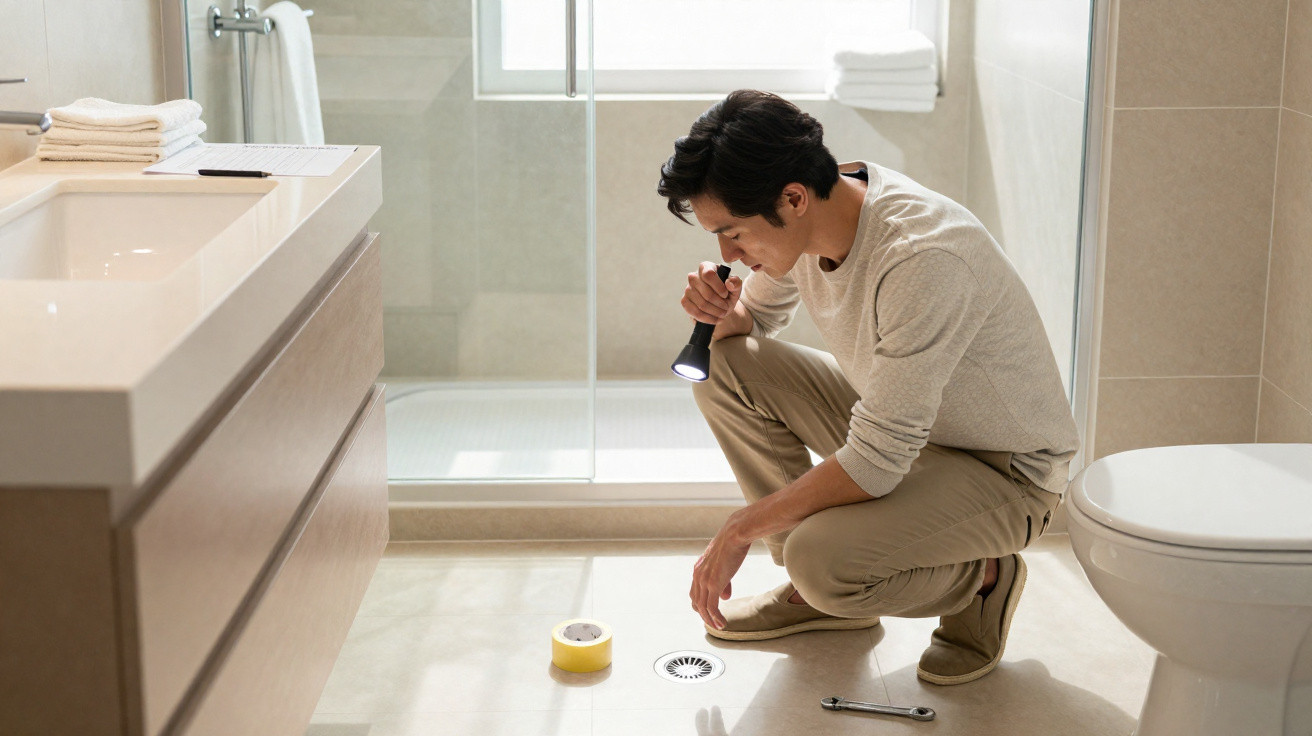
- Clearing a drain or waste pipe
- Locating the gas or electricity meter
- Replacing a smoke alarm component, such as a battery or the unit itself
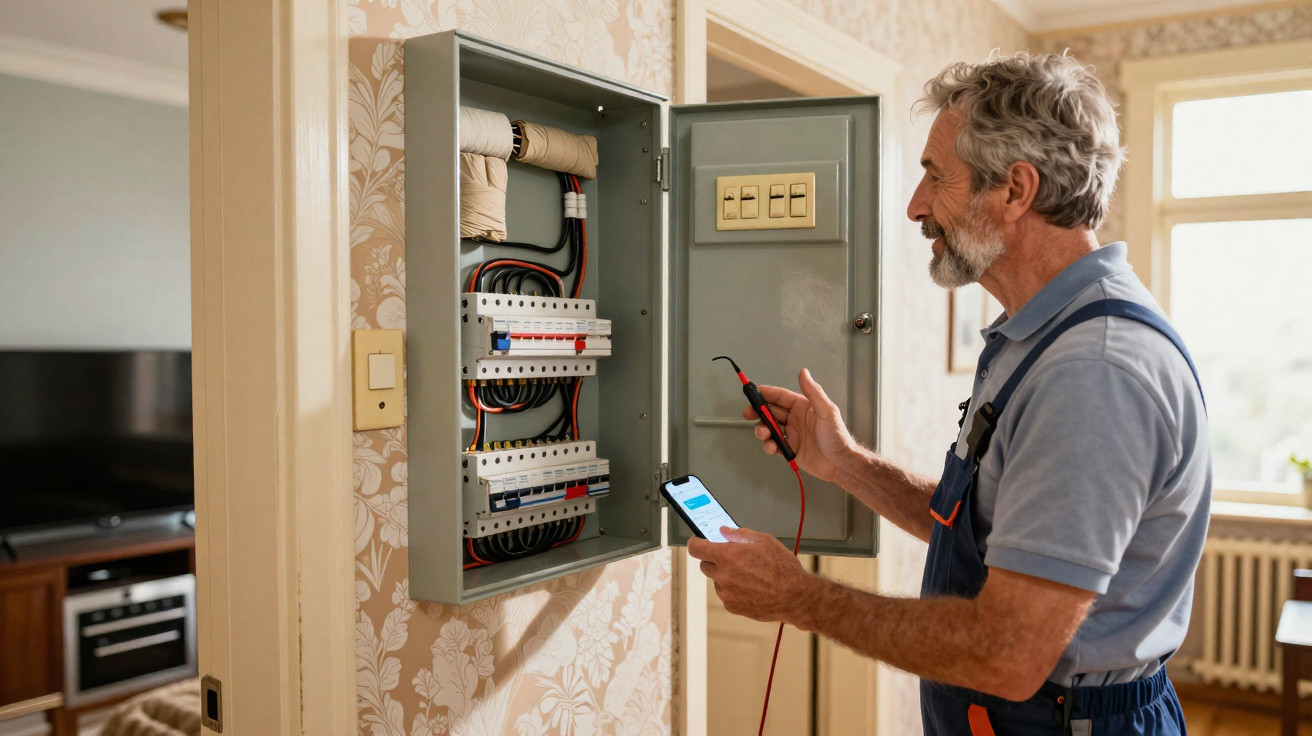
- Switching a tripped circuit breaker back on at the consumer unit
- Cutting off electricity to the entire home
Anyone who can handle these points gains a great deal of confidence in day-to-day life – and saves time, worry and money in an emergency.
How to manage the most important household tasks
Bleeding a radiator – step by step
A typical winter problem is a radiator that gurgles, stays cold at the top and becomes hot at the bottom. This suggests there is air in the system. Bleeding it can save energy and warm rooms more quickly. The basic process is as follows:
- Turn off the heating and wait a few minutes.
- Have a radiator key and a small container ready.
- Slowly open the valve at the side or top.
- Let the air escape until a steady stream of water appears.
- Close the valve again and check the heating system pressure.
If you feel unsure, ask someone experienced to help the first time or use short video guides – but always make sure they apply to your own system.
Restarting a boiler – when can you do it yourself and when can’t you?
If hot water and heating suddenly stop working, a restart may sometimes be all that is needed. Many systems have a reset button or an on-screen menu. The important thing is to read the instruction manual first and pay attention to any warnings. If there are unusual noises, a smell of gas or error messages, the matter should be left to a professional.
“With a gas appliance, safety comes before saving money. If you have any doubts, wait for a qualified professional.”
Changing a light bulb – it sounds basic, but often causes uncertainty
It may sound straightforward, yet it can still raise questions in dark corners. The most important rules are:
- Switch off the power at the light switch; better still, turn off the circuit at the consumer unit if the fitting is unfamiliar.
- Allow the bulb to cool down, otherwise you could get burned.
- Check that you have the correct cap type (E27, E14, GU10 and so on).
- Fit an LED instead of a halogen or old-style incandescent bulb to save electricity.
If you are unsure about the cap type, take the old bulb to a DIY shop – you can almost always find a suitable equivalent there.
Where preparation genuinely pays off
Many issues only become serious because nobody knows where everything is located. A short “emergency check” can be completed in an hour and provides considerable reassurance when something goes wrong.
| Function | Question |
|---|---|
| Electricity | Where is the consumer unit, and how do I switch everything off? |
| Water | Where is the main stopcock, and can it be turned easily? |
| Gas / heating | Where is the system located, and which readings are normal? |
| Smoke alarms | Where are the smoke alarms fitted, and when were they last checked? |
Anyone able to answer these questions will respond much more calmly to a burst pipe, electrical problem or smoke.
When DIY saves money – and when it becomes dangerous
Many people hesitate to call qualified tradespeople because they fear the cost. For simple tasks such as clearing a blocked drain, fixing a loose socket cover or bleeding the heating, taking action yourself can be worthwhile. However, once electrical wiring, gas, major plumbing work or structural stability are involved, it is no longer a job to tackle casually.
Typical warning signs that you need a professional:
- Exposed cables or sparks from electrical components
- The smell of gas or whistling sounds from pipes and appliances
- Water visibly coming through a wall or ceiling
- A smoke alarm repeatedly sounding for no obvious reason
In these cases, misplaced confidence can cost far more than calling a qualified professional in time – and in the worst case, it can compromise your safety.
How to make up for a lack of practical experience
The good news is that nobody has to be born a natural DIYer. Taking a few hours each year to learn can quickly cover the essentials. Many local energy providers, consumer advice centres and adult education colleges offer introductory courses on household systems, energy saving and safety.
It is also useful to keep a straightforward checklist in the home. It could include the locations of the consumer unit, water stopcock and gas meter, along with emergency phone numbers and the heating engineer’s contact details. This means visitors or children can also find the most important information in an emergency.
The point is not to carry out every repair yourself. But anyone who knows a few essential household tasks and understands when professionals should take over will live more comfortably – and face far less stress when the heating fails in the middle of winter or the hallway light suddenly goes out.


Comments
No comments yet. Be the first to comment!
Leave a Comment