
If, after showering, you simply turn off the water and reach for your towel, you will usually leave one crucial area behind: the damp silicone seals around the shower, bath and basin. Specialists warn that skipping this tiny everyday task can lead to mould, musty odours and, over time, even damage to the building fabric.
An overlooked area: why silicone seals are so vulnerable
Silicone seals may appear harmless. They seal edges, stop water from running behind tiles or baths, and initially seem easy to maintain. Yet this is precisely where the issue lies: in few areas of the bathroom does water remain as persistently as it does in these narrow grooves.
When moisture remains there for hours each day, it creates ideal conditions for microorganisms. Fungi, bacteria and mould spores find a perfect breeding ground in damp, slightly porous silicone. Limescale and soap residue also build up, turning the seals yellowish or grey.
Regularly damp silicone seals are considered one of the most common triggers of mould problems in bathrooms – often even ahead of poorly insulated walls.
Those who overlook this will first notice the consequences visually: dark specks, stains, and seals that look dull rather than bright white. Later, a stale, musty smell may develop, along with possible health complaints, particularly for people with allergies or respiratory conditions.
The simple silicone seal routine experts rely on
The good news is that avoiding all this takes surprisingly little effort. Sanitary and hygiene specialists recommend a straightforward daily routine that soon becomes second nature.
Step 1: Squeegee away water after every shower
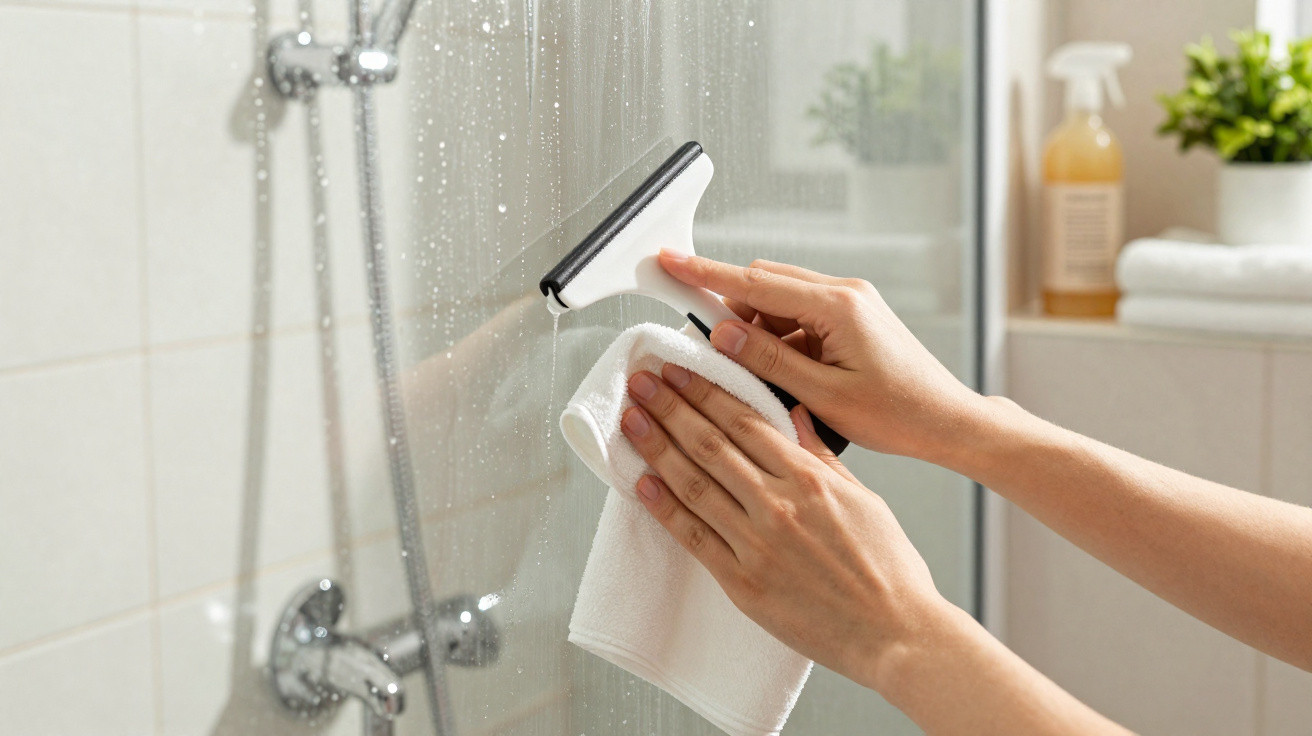
Straight after showering or bathing, use a simple tool: a rubber shower squeegee, like those used for shower enclosures. It can be used to draw water down from tiles, glass and, above all, silicone seals.
- Sweep water down from tiled and glass surfaces.
- Deliberately squeegee the silicone edges around the shower tray, bath and basin.
- Do not overlook horizontal seals along shelves or edges.
This action removes much of the moisture before it can work its way into seals and small gaps.
Step 2: Dry with a cloth
For a particularly thorough result, follow up with a small microfibre cloth or an old cotton towel and quickly wipe the seals dry. One or two movements around the shower tray are enough.
The benefit is far greater than the small amount of effort suggests: the time that seals remain damp is shortened by many hours. Microorganisms no longer have a constantly wet environment in which they can multiply undisturbed.
What happens when seals remain wet all the time?
If this step is repeatedly missed, the effects are not immediately obvious – which is exactly what makes the problem so deceptive. Changes happen gradually.
| Consequence | What happens in practice |
|---|---|
| Discolouration | Seals become yellowish, grey or patchy, making the overall bathroom look “worn”. |
| Mould | Dark spots and streaks develop, often first in corners and on horizontal seals. |
| Odour | A sweet, musty smell may arise and can be difficult to remove even by airing the room. |
| Health | Irritated airways and worsened symptoms of asthma or allergies are possible. |
| Structural damage | Porous silicone seals less effectively, allowing moisture to penetrate walls or get beneath tiles. |
Children, older people and anyone with chronic respiratory illnesses are particularly sensitive. In these households, specialists strongly recommend consistent control of bathroom moisture.
A small habit with a major effect
Spending only a few seconds a day on seal care can save considerable time, money and frustration later. Specialist contractors regularly report bathrooms where silicone seals need complete replacement after only a few years – often because moisture has been left sitting there over a long period.
Drying regularly is considerably cheaper than replacing silicone seals and using strong chemical cleaners – and it also protects the airways.
People who dry their seals consistently need harsh mould removers less often. Mild cleaning products and occasional deep cleaning will then usually be enough to keep the bathroom looking fresh.
How to make the routine part of everyday life
A simple day-to-day plan can help ensure the new step does not fade away after a week:
- Hang the shower squeegee somewhere visible in the shower or on the wall.
- Keep a small towel solely for drying the seals.
- Briefly show household members what to do and get them involved.
- Link the new habit to an existing fixed routine, such as brushing your teeth after showering.
The benefits are especially worthwhile in homes with several people: the more showering takes place, the more the seals gain from daily care.
How often should thorough cleaning be carried out?
The small daily step does not replace occasional deep cleaning, but it considerably reduces how intensive that cleaning needs to be. Specialists recommend the following schedule:
- Squeegee away water every day and dry the seals wherever possible.
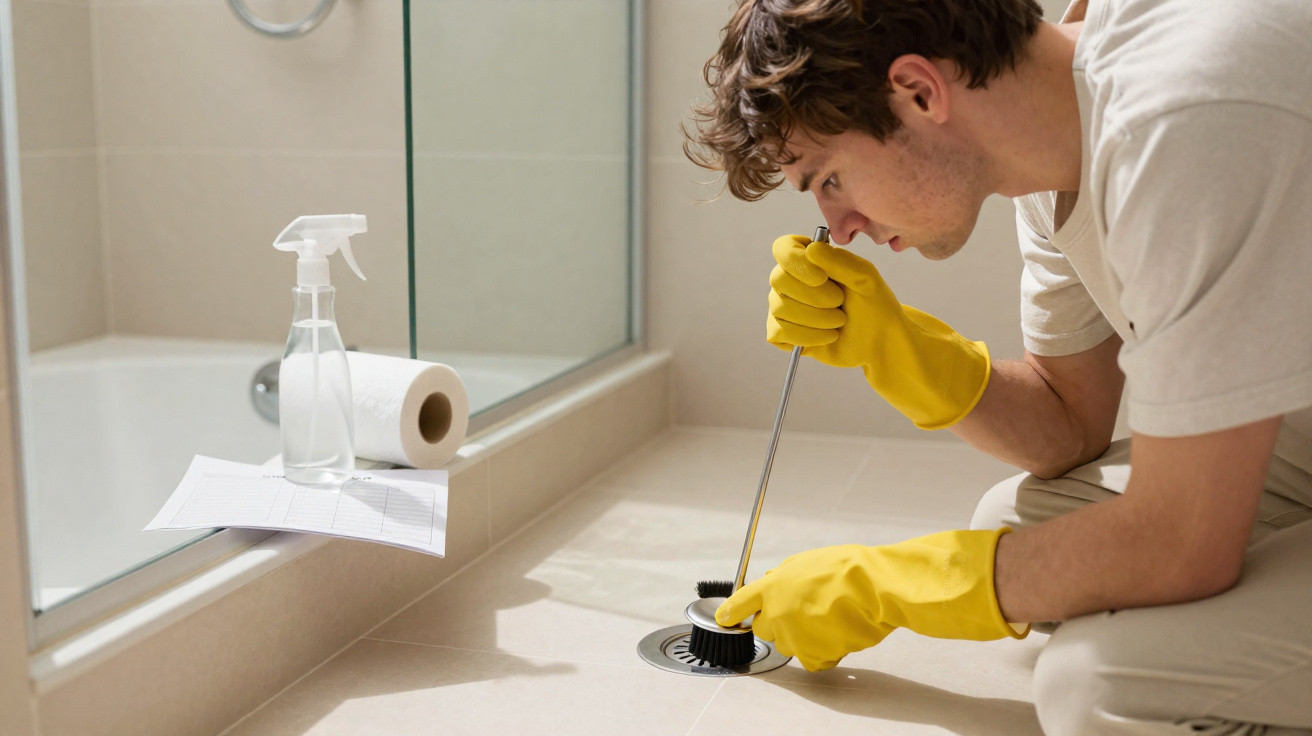
- Every one to two weeks, wipe the seals with a mild bathroom cleaner or vinegar-based cleaner.
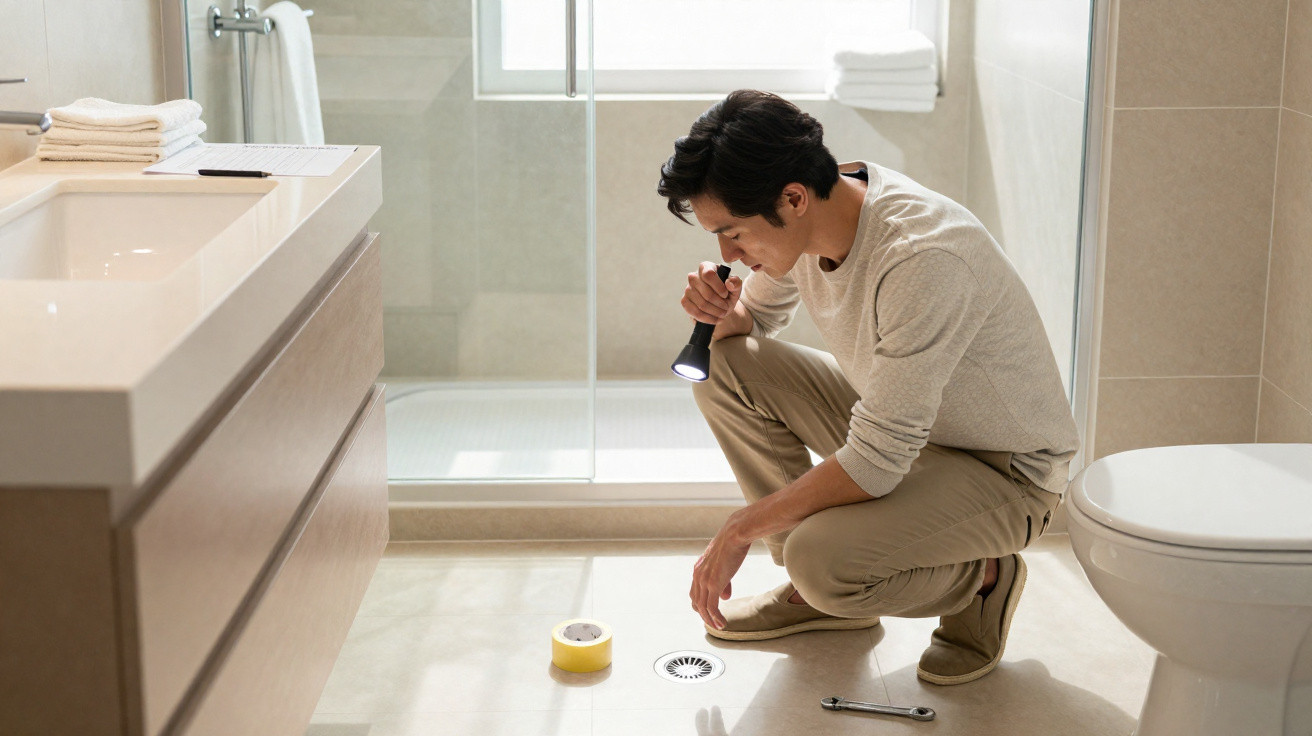
- Once or twice a year, inspect them visually: are there cracks, loose sections or deep discolouration?
As soon as silicone becomes cracked or starts to pull away from the wall, drying alone is no longer sufficient. A specialist contractor or experienced DIY enthusiast should then replace the seals so that moisture cannot enter the building fabric.
Mould, allergies and asthma: what lies behind the risks
Mould spores are present everywhere in the air. They become problematic when they collect in large quantities in one place – such as constantly damp seals. Showering or cleaning can disturb the spores and allow them to enter the airways.
At first, many people notice only a slight scratchiness in the throat or occasional sneezing. Those already living with allergies, asthma or chronic bronchitis tend to react more strongly. Recurrent infections or headaches may also be linked to a home with ongoing mould contamination.
Precisely because mould in seals is easy to miss at first, some specialists now regard a daily check of these areas as a kind of “early warning system”: anyone briefly drying the seals each day will spot even the smallest changes much earlier.
Further measures for a consistently healthy bathroom
Looking after seals is a key element, but several additional habits complete the hygiene measures:
- Air the room fully for at least five to ten minutes after showering.
- Leave the bathroom door open so moist air can escape more quickly.
- Hang wet towels and bath mats to dry in another room where possible.
- Do not turn the bathroom radiator off completely in winter – warmth helps drying.
In small internal bathrooms without windows, a fan or automatic ventilation system helps remove moisture. Drying the seals there every day as well significantly reduces the risk of mould.
Why this one small step makes such a difference
Many people assume that the major cleaning session at the weekend is the key factor in keeping a bathroom clean. Hygiene specialists take a more nuanced view: brief, consistent daily measures stop problems from becoming established in the first place.
This is the heart of the advice: spending a few seconds drying silicone seals tackles the root cause – persistent dampness. Anyone who consistently reduces that moisture protects appearance, health and the building fabric at the same time. It is a tiny action with a major effect, one that can be adopted in almost any household without special equipment.



Comments
No comments yet. Be the first to comment!
Leave a Comment