
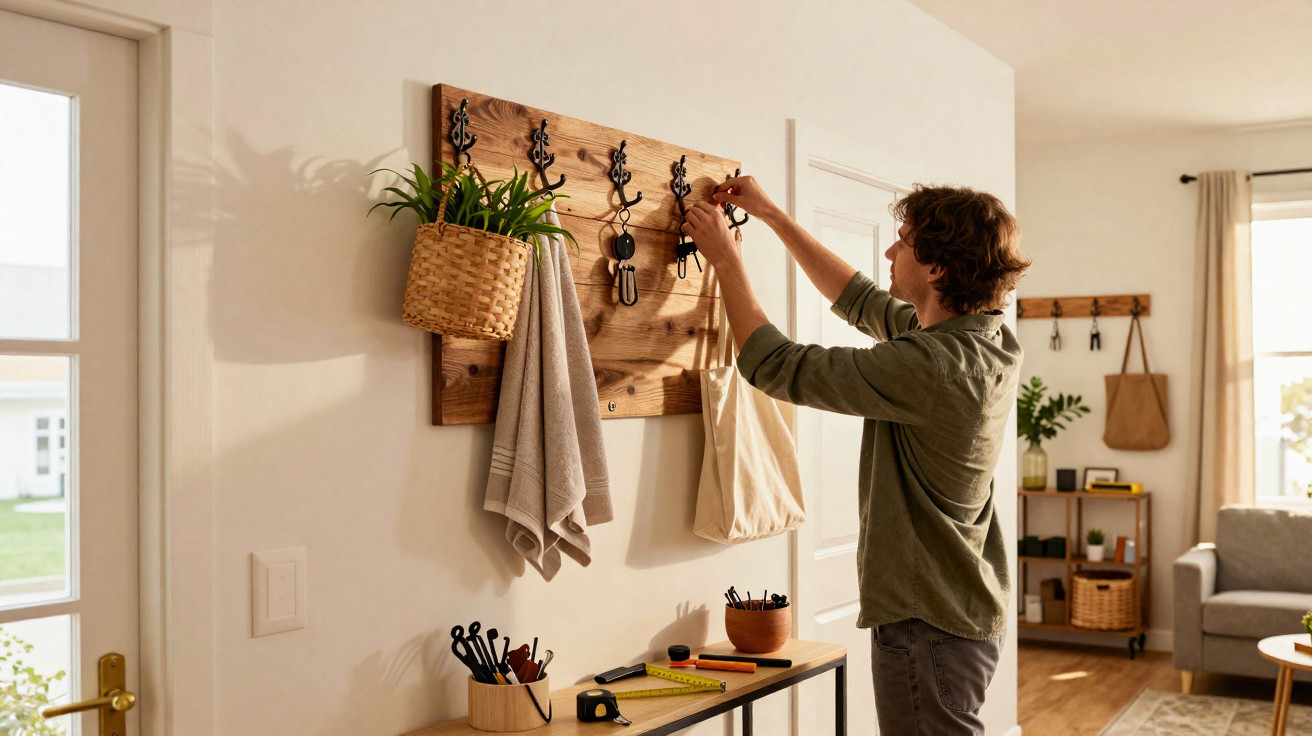
Hanger hooks are often thrown away without a second thought, yet their shape, strength and size make them ideal for quick storage solutions. At a time of creative reuse, they can take on new roles in wardrobes, utility rooms and laundry areas, supporting home organisation at little cost while adding a DIY touch.
Why do these old components work so well in everyday life?
Whether made of metal or plastic, a hanger hook is already designed to hold light weight, fit over rails and make use of vertical corners. This makes it easy to create holders for bags, scarves, cleaning rolls and even headphones, without needing a drill or altering the furniture.
In everyday use, home organisation improves because a repurposed item takes up very little room while tackling cluttered areas that are easily overlooked. Even broken hangers can still provide useful parts, with the hook often being the most adaptable piece.
Which DIY ideas are worth trying first?
A few straightforward alterations can already improve movement around a wardrobe or bedroom. Using pliers, strong adhesive tape or a simple slot-in fitting, hanger hooks can leave the discard pile and become part of the daily routine.
- Turn a hook into an accessory holder by securing it to the side of a wardrobe, where it can hang belts, necklaces or reusable shopping bags.
- Attach two hooks to a sturdy base to make an organiser for lids, cloths or foldable bags in the laundry area.
- Fit the piece over an upper shelf to create a hanging point for caps, over-ear headphones or frequently used keys.
Where do hanger hooks make the biggest difference each day?
The most effective places are high-traffic spots and furniture filled with small items. In these areas, one hook can separate categories, free up shelf space and make everyday essentials quicker to reach.
- In the wardrobe, they help divide small bags, belts and scarves into clear sections.
- In the kitchen, they can hold oven gloves, lightweight sieves or frequently used utensils.
- In the laundry area, they keep pegs, brushes and cleaning cloths organised.
- In the entrance hall, they provide a place for keys, a folding umbrella and a reusable bag.
Using them thoughtfully prevents too many items from being left on display and improves the visual clarity of the space. The benefit is not purely aesthetic: it also gives immediate access to things that tend to disappear at the bottom of drawers and baskets.
What should you check before giving the piece another use?
Not every material can withstand moisture, heat or constant weight. Rusty, cracked or sharp-edged hanger hooks need attention before they are repurposed, especially in homes with children or in narrow circulation areas.
For DIY projects, check the hook’s stability, finish and intended fitting location. A fine abrasive can remove rough edges from a metal hook. If it is plastic, it is best kept for lightweight tasks. This simple assessment avoids poor improvisation and helps home organisation last longer than a temporary arrangement.
How can small repurposing projects create a more practical home?
When positioned carefully, hanger hooks provide support points where clutter previously gathered. This type of adjustment suits the reality of household routines, as it organises accessories, cleaning supplies and quick-use objects without taking up additional surfaces.
The value of creative reuse lies precisely in this: giving a forgotten piece a new purpose while improving the flow, storage and upkeep of rooms. In the end, DIY stops being merely decorative and becomes a useful home organisation tool, reducing waste and bringing more logic to everyday use.

Comments
No comments yet. Be the first to comment!
Leave a Comment