
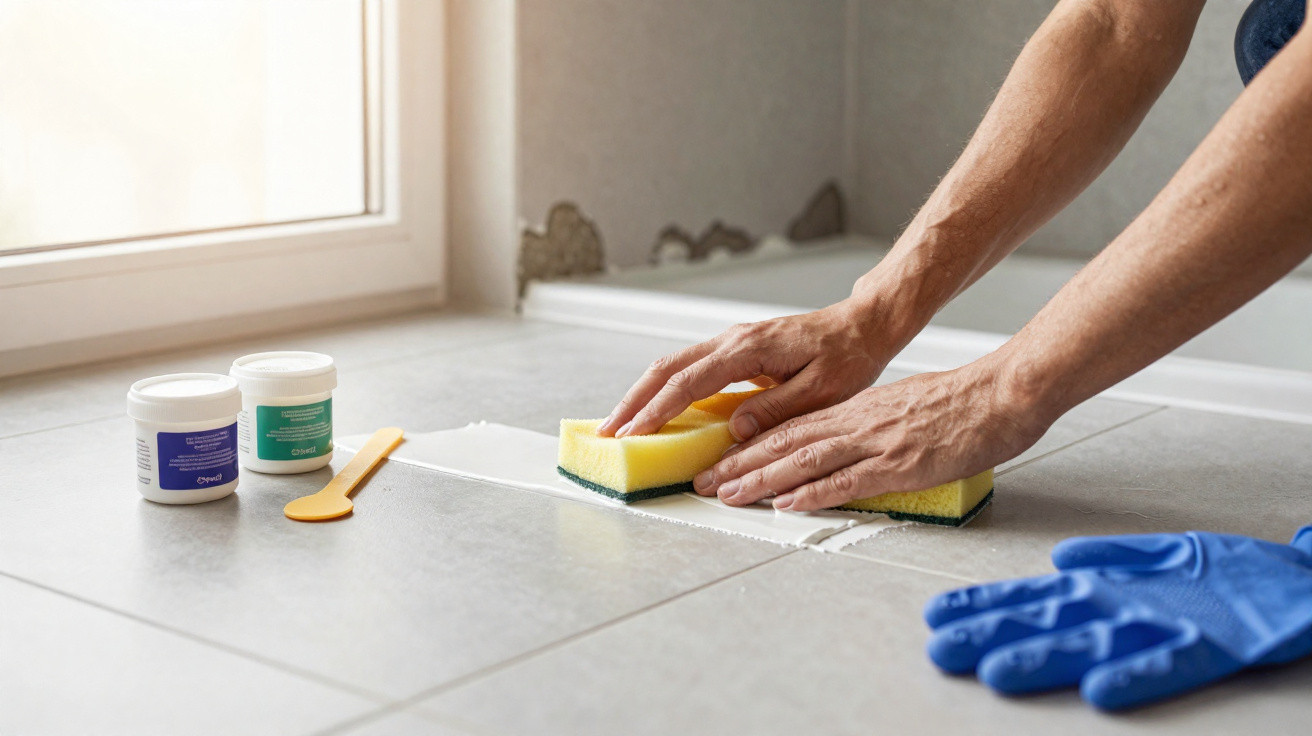
For bathroom and kitchen construction or renovation projects, cement grout is increasingly being replaced by epoxy grout. In 2026, architects, engineers and installers are recommending it for wet areas because it combines strength, waterproofing, colour stability and a more even appearance across joints, meeting growing demand for durable, low-maintenance solutions.
What is epoxy grout and why is it becoming popular in 2026?
Epoxy grout is made from epoxy resin, hardener and special mineral fillers, producing a dense material with very high waterproofing properties. This differs from cement grout, which is naturally porous and more vulnerable to water ingress. Under continual exposure to water, steam and cleaning products, epoxy performs more consistently, helps prevent detachment and limits staining on tiled surfaces over the years.
Colour stability is another benefit gaining attention in 2026. Conventional cement grout can darken, crumble or become stained in spaces such as shower enclosures and around cookers. Applied properly, epoxy grout retains its original shade for longer, withstands frequent cleaning when the manufacturer’s instructions are followed, and creates the impression of more seamless surfaces in contemporary bathroom and kitchen designs.
Is epoxy grout more resistant to mould and moisture?
Protection against mould is one of the main reasons for replacing cement grout in wet locations, including shower enclosures and bathroom skirting areas. Cement absorbs water and grease, creating favourable conditions for fungi and bacteria. Epoxy, by contrast, creates an almost non-porous layer where moisture is less likely to build up, helping to reduce darkening in the joints.
In kitchens, joints near the sink and cooker generally stay visibly cleaner, while some manufacturers also add fungicidal agents to the formula to reinforce this performance. Despite this protection, regular cleaning with suitable products remains essential to maintain long-term performance, appearance and hygiene.
Main advantages of epoxy grout over cement grout
When bathrooms and kitchens finished with epoxy grout are compared with those using cement grout, differences can be seen in joint durability, ease of cleaning and the final appearance of tiled finishes. With large porcelain tiles and rectified tiles, choosing the right grout colour can create an almost monolithic effect, which is highly sought after in contemporary, minimalist interiors.
Among the benefits most valued by those specifying or using epoxy grout are features that directly affect the lifespan of the finish and everyday upkeep:
- High waterproofing: helps reduce water ingress and moisture marks between tiles.
- Greater chemical resistance: better withstands cleaning products approved by the manufacturer.
- Less mould growth: low water absorption makes fungal growth more difficult.
- Longer-lasting joints: is less likely to crack and crumble over time.
- More uniform finish: stable colours enhance tiled floors and walls.
How is epoxy grout applied, and what is its effect on cost and appearance?
Applying epoxy grout is more technical and usually requires experienced tradespeople. The product is supplied in two components, which must be mixed in the correct ratio and used within a limited period. Joints must be clean and dry; the grout is worked in with a rubber float, and surplus material needs to be removed promptly with a lightly dampened sponge to prevent an unwanted glossy film from forming on the tiles.
In 2026, both the price per kilogram of epoxy grout and labour costs remain higher than for cement grout. However, many projects regard the investment as worthwhile because of its greater longevity and reduced need for future repairs. The broad colour range makes it possible either to blend joints into large-format floors or to create striking contrasts, coordinating worktops, walls and floors through the same visual language while contributing to a more modern space that is easier to maintain.





Comments
No comments yet. Be the first to comment!
Leave a Comment