
Many households in Finland keep costs under control through modest, ingenious adjustments and a different approach to daily living.
Cold weather is ever-present across the Nordic region, but Finnish homes are often both peaceful and warm. This is achieved by retaining warmth, rapidly refreshing the air and looking after existing systems. The methods may seem unremarkable, yet their benefits build over time.
Why Finland stays warm without constantly using the boiler
Winter temperatures frequently fall well below zero. This environment has encouraged a culture focused on prevention rather than simply blasting out more heat. The starting point is preventing warmth from escaping. Gaps around windows and doors waste energy more quickly than many realise. Once they are sealed, every other measure performs more effectively.
Before adding heat, stop the leaks. Every watt you keep indoors is a watt you don’t pay for.
In effect, the home is treated as though it were a thermos flask. Quality glazing makes a difference, as do thick curtains, well-fitting frames and straightforward measures that reduce air movement. When the building envelope performs well, rooms can feel comfortable with the thermostat set lower.
The 2-euro window trick
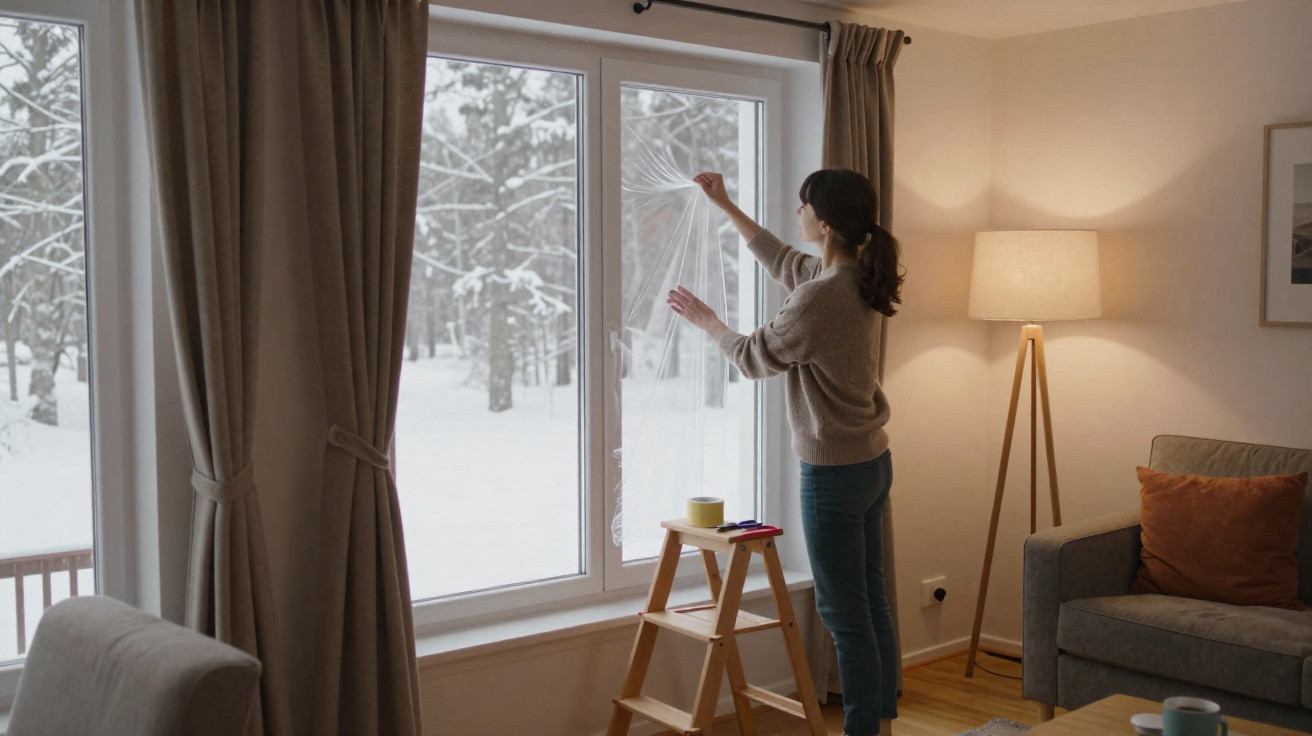
One inexpensive but notably useful solution has become common in Finnish homes: fitting transparent plastic film over draughty windows. The film holds a slim layer of still air, providing extra insulation and reducing draughts. Installation takes only a few minutes. With ordinary film and tape, it costs roughly two euros per window.
The science behind it is simple. Motionless air slows heat transfer. By limiting convection around the glass, the film makes the inner surface feel less cold. This reduces radiant cold felt on the skin and can also lessen condensation on the frame.
How to fit it quickly
- Wipe the frame clean so that the tape adheres properly.
- Trim the film, allowing an extra 2–3 cm of overlap.
- Tape around the edges while keeping the film taut.
- If using heat-shrink film, warm it gently so that it tightens.
- Cover any small openings with transparent tape.
A modest improvement in comfort should be noticeable straight away. People often find that rooms are quieter and less draughty. For older sash windows, the improvement can be substantial for such a low cost.
When it can cause problems
Appliances that burn fuel require a supply of air. Gas heaters, wood-burning stoves and open-flue boilers take in oxygen and release combustion gases. Sealing a room too thoroughly can deprive them of air and create a carbon monoxide hazard. Where combustion appliances are used, keep ventilation routes open and comply with the manufacturer’s instructions. In certain situations, leave one trickle vent open or avoid applying film to one window in that room.
Never trade clean air for quick warmth. Safety first with gas or wood appliances.
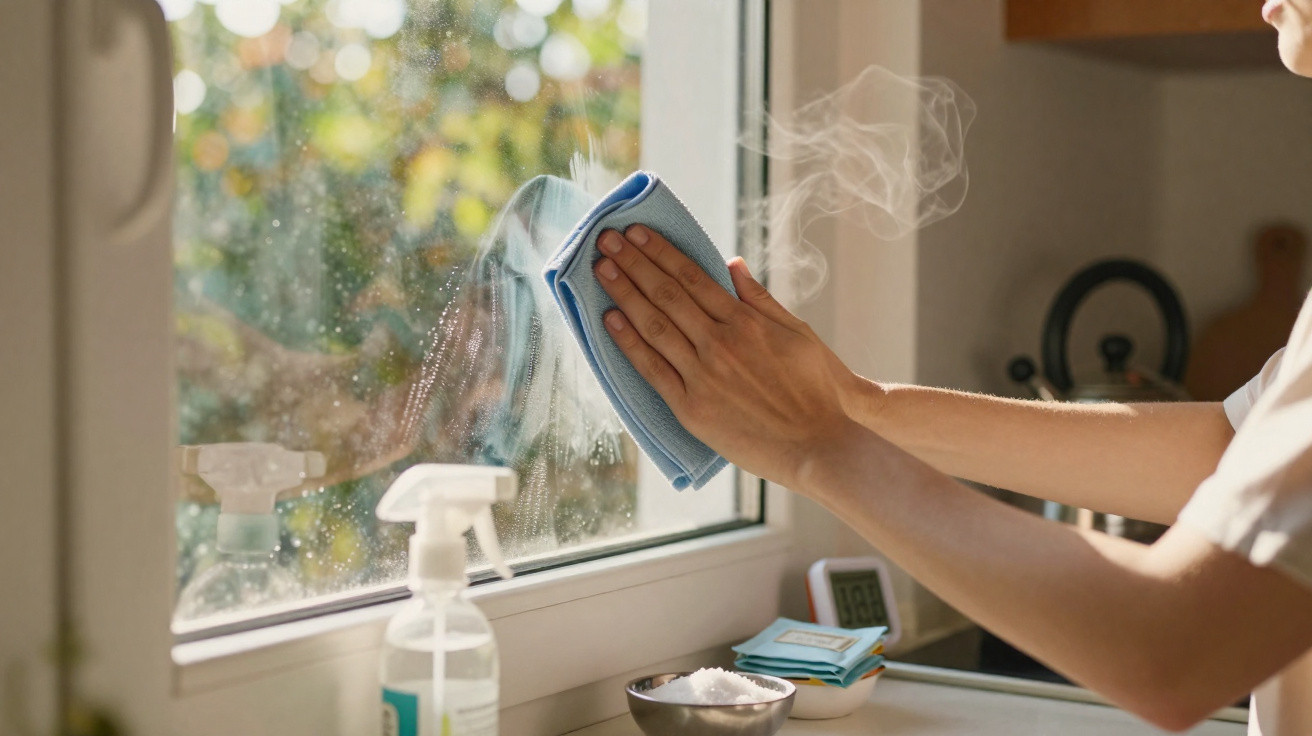
Humidity is another consideration. Persistently high indoor humidity can lead to condensation behind the film. This may mark window frames or encourage mould growth. Keep rooms dry and ventilate sensibly.
Ventilation without the cold
Finnish households tend to air their homes in brief, intensive bursts. Open several windows simultaneously for three to five minutes, leaving internal doors open. The resulting cross-breeze replaces stale air quickly, while walls and furniture retain their warmth because the airing period is so short.
Avoid leaving a window slightly open for hours. This cools the surfaces in the room, making you feel colder, forcing the heating system to work harder and increasing bills.
Humidity, mould and the dew point
Humid air retains heat, but excessive moisture reduces comfort. Try to maintain indoor relative humidity at 40–50%. Above this level, condensation forms on cold surfaces, which can promote mould and damage paintwork. An inexpensive hygrometer makes monitoring easier. Where possible, dry laundry outside the living area. Keep lids on saucepans, and use extractor fans when cooking or showering.
Traditional maintenance that cuts costs
Radiators in wet heating systems gradually collect air. Bleeding them restores proper circulation and heat output. Begin with the highest radiator, switch off the pump, then carefully open the bleed valve. Close it once water runs out in a steady flow. Repressurise the system if required.
The benefit will depend on the amount of trapped air. In severe cases, a radiator that had remained cold can begin heating properly again. Many households notice faster warm-up times and more consistent warmth. Combine bleeding with balancing the valves to distribute heat evenly between rooms.
Thermostatic radiator valves provide further control. Keep bedrooms cooler and living areas warmer. Small temperature differences can lower energy use without compromising comfort.
When technology meets tradition
Newer Finnish properties commonly have balanced ventilation with heat recovery. These systems recover heat from extracted air and pass it to the fresh air entering the home. The result is cleaner air with less demand on the heating system. Older properties rely on more basic solutions, including thick rugs on cold floors, thermal curtains and shutters closed at night. Both methods pursue the same goal: keep heat in while maintaining good air quality.
Culture influences warmth too
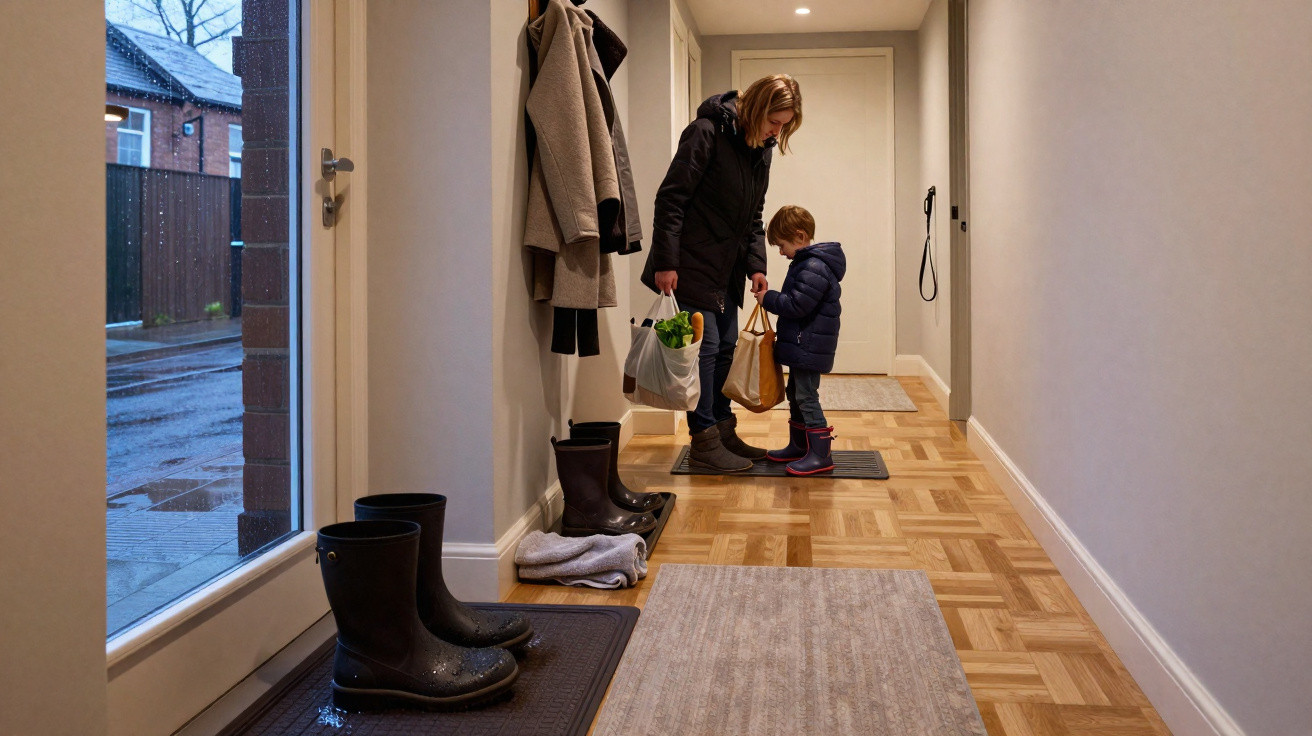
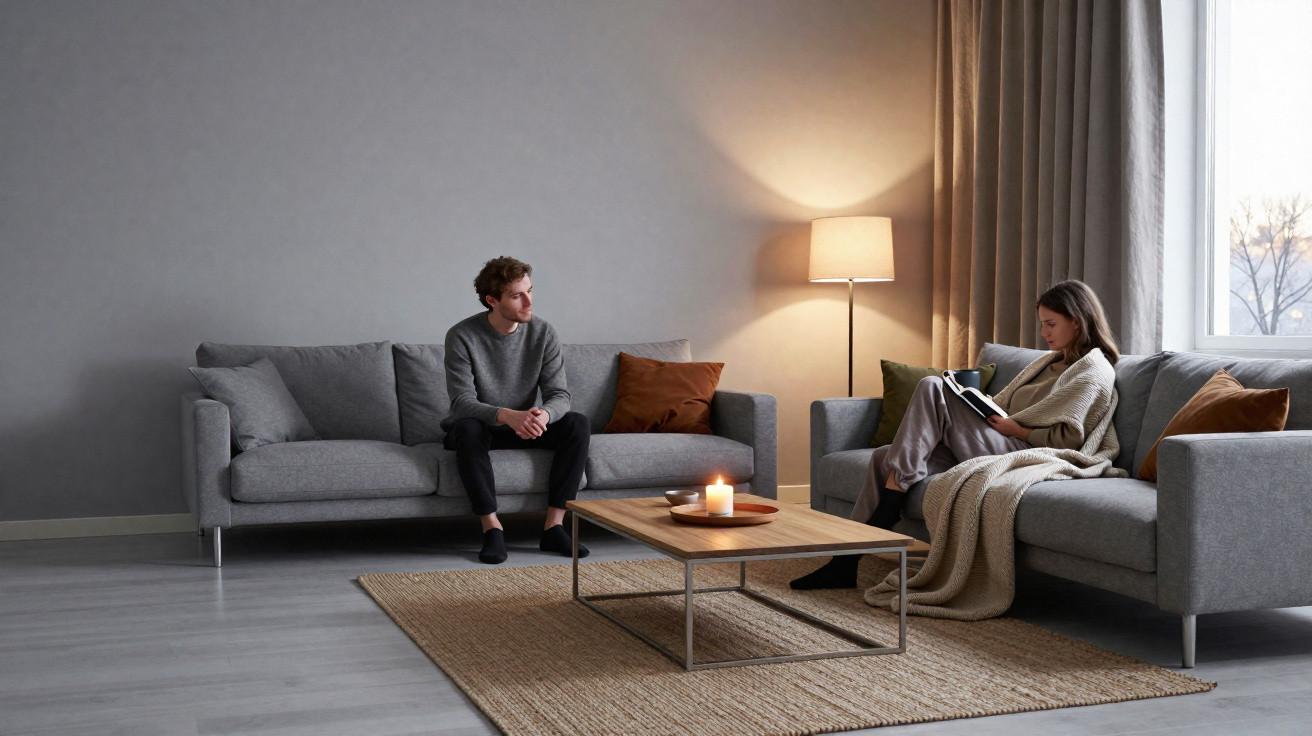
Everyday habits matter. Many Finnish people maintain indoor temperatures of around 20 °C and wear layers. They shut curtains and shutters after sunset, use draught excluders at doors and seal letterbox flaps. The sauna remains a communal tradition, but it also offers a practical principle: heat people rather than every cubic metre of air.
Try this at home this week
- Cover the leakiest window with plastic film for around two euros.
- Apply self-adhesive foam strip to a draughty frame.
- Install a door sweep at the coldest doorway threshold.
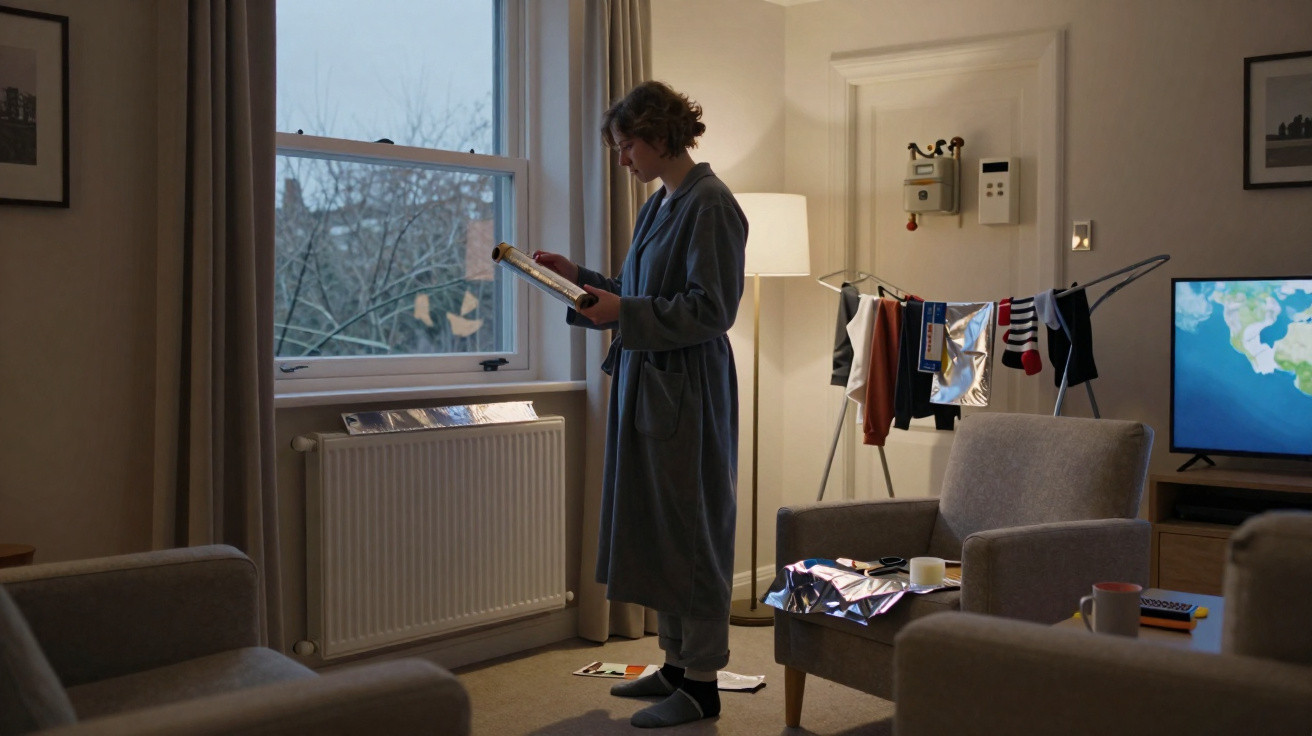
- Put reflective panels behind radiators on external walls.
- Carry out one five-minute cross-ventilation session every morning and after cooking.
- Bleed radiators and inspect the boiler pressure.
- Close curtains at dusk and open them to catch winter sunshine.
- Set rooms to 19–20 °C and wear one light extra layer.
Small, repeatable actions beat one large, expensive fix when budgets are tight.
How much these changes can save
Results differ from one home to another. During cold spells, taped film on a draughty window can noticeably reduce heat loss through that opening. Heavy curtains provide a further layer of still air. Cross-ventilation maintains healthy indoor air without a major heat loss, while bleeding a radiator can repay the effort within one day if it was only half-warm. Apply these measures together and any heater still in use will need to run for less time.
Additional notes for staying safe
Look out for condensation behind window film. If droplets appear regularly, improve ventilation or briefly use a dehumidifier. Do not block trickle vents in rooms containing gas appliances. Test smoke alarms and carbon monoxide alarms every month. For tenants, removable films and foam strips are generally considered non-permanent measures. With a hairdryer and some patience, they can be removed in spring.
Want to judge the comfort improvement before investing further? Carry out a quick check. On a cold evening, sit beside a window covered with film and pay attention to the radiant cold on your skin. If it is reduced, you have found a straightforward improvement. If it is not, the principal draught may be around the frame, sill or door. A candle flame or incense stick can reveal where air is moving. Seal the specific gap rather than attempting to seal the entire wall.
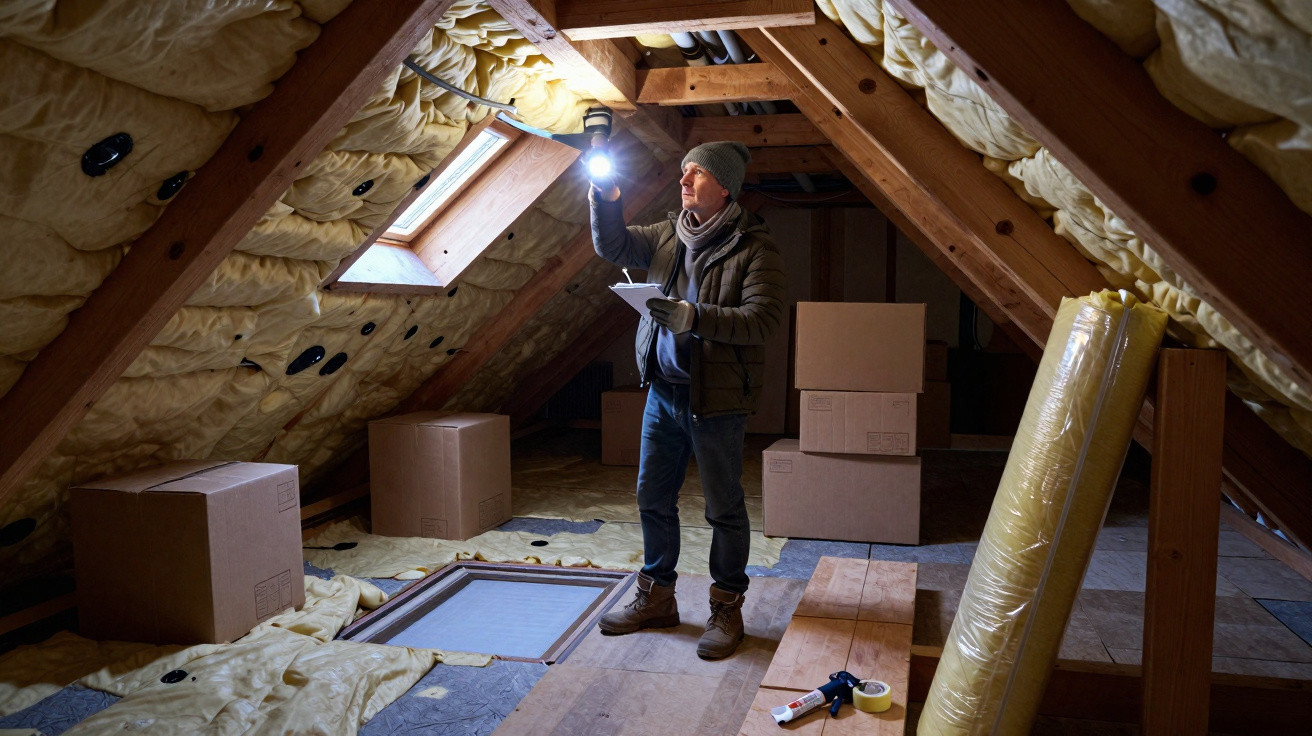
For the longer term, pair inexpensive measures with larger upgrades as funds permit: insulate the loft first, then improve airtightness, followed by efficient ventilation. This order reflects the approach that works in Finland. It works with the building, reduces bills and keeps rooms comfortable when the next cold spell arrives.
Comments
No comments yet. Be the first to comment!
Leave a Comment